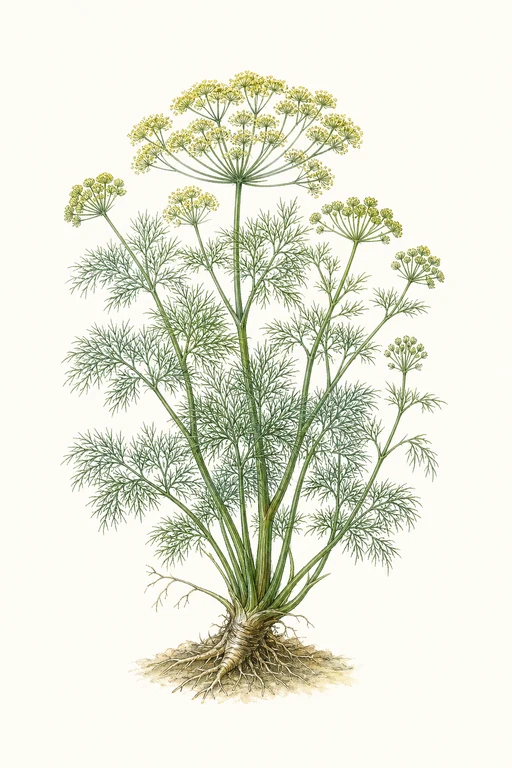
Elephant
65d to harvest
Fragrant and boldly aromatic, Elephant Dill unfurls feathery fronds with a rich, fresh “dillweed” perfume that fills the garden on warm days. Expect tender, finely textured foliage and a classic, bright dill flavor that shines in everything from pickles to creamy sauces and herb-forward garnishes. With dependable performance to harvest in about 65 days, it’s a standout choice for gardeners who want lush, showy growth and reliable harvests.
Crop Dates
| Milestone | Date |
|---|---|
| Start Indoors | Direct Sow |
| Last Frost | Feb 9th |
| Transplant / Sow Outdoors | Feb 9th |
| Harvest Begins | Apr 15th |
| Harvest Ends | Dec 9th |
Crop Details
| Trait | Value |
|---|---|
| Days to Maturity | 65 |
| Sun Requirements | Full Sun |
| Growth Habit | Upright |
| Support Needed | None |
| Planting Depth | Surface |
| Germination Temp (°F) | 70 |
| Min Soil Temp (°F) | 60 |
| Min Night Temp (°F) | 40 |
| Harden Off (days) | Not Required |
Recommended Companions
Frequently Asked Questions
What pest or disease most often affects Anethum graveolens (dill), and how can I fix it?
Dill is commonly hit by aphids, which cluster on tender new growth and can cause distorted leaves. Spray plants with a strong stream of water, then apply insecticidal soap if aphids persist for more than a few days. Keep foliage dry by watering at the soil line, because damp conditions can also worsen foliar fungal issues.
How often should I water Anethum graveolens during the main growing phase?
Water dill so the top 1 inch of soil stays evenly moist during active growth, typically about 1–2 times per week depending on heat and rainfall. Let the soil surface dry slightly between waterings, but don’t allow it to fully dry out, since dill quickly gets stressed and may bolt. Use a gentle, direct-to-soil method to avoid wetting the leaves.