
African Blue
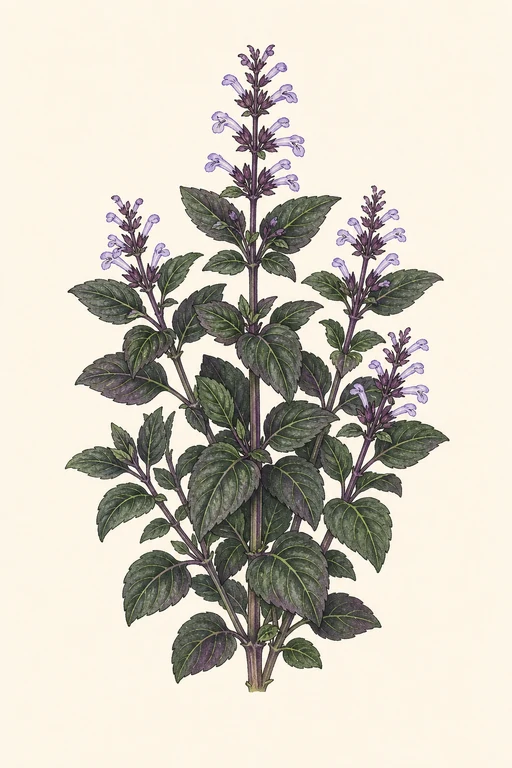
Experience the aromatic embrace of African Blue Basil, a stunning herb that captivates with its vibrant purple-tinged leaves and a robust, sweet flavor profile.
Perfect for fresh salads or as a fragrant garnish, this variety also boasts a unique floral aroma that enhances any dish. Its lush foliage adds not only culinary delight but also ornamental beauty to your garden.
Light: Full SunMaturity: 70 DaysHabit: Upright
Location not set yet
Location not set yet
Enter your ZIP for local crop dates
African Blue Planting Dates by USDA Zone
Estimated US hardiness-zone windows for sow, transplant, and harvest. Enter a US ZIP above for exact local dates, or open a zone below.
| Zone | Start Indoors | Sow / Transplant | Harvest |
|---|---|---|---|
| Zone 1a | Protected Environment Only | ||
| Zone 1b | Protected Environment Only | ||
| Zone 2a | Apr 13th | Jul 20th | Sep 28th – Aug 29th |
| Zone 2b | Apr 3rd | Jul 10th | Sep 18th – Aug 25th |
| Zone 3a | Apr 3rd | Jul 10th | Sep 18th – Sep 1st |
| Zone 3b | Apr 7th | Jul 14th | Sep 22nd – Sep 21st |
| Zone 4a | Apr 3rd | Jul 10th | Sep 18th – Sep 24th |
| Zone 4b | Apr 1st | Jul 8th | Sep 16th – Sep 27th |
| Zone 5a | Mar 27th | Jul 3rd | Sep 11th – Sep 30th |
| Zone 5b | Mar 23rd | Jun 29th | Sep 7th – Oct 5th |
| Zone 6a | Mar 20th | Jun 26th | Sep 4th – Oct 10th |
| Zone 6b | Mar 14th | Jun 20th | Aug 29th – Oct 16th |
| Zone 7a | Mar 9th | Jun 15th | Aug 24th – Oct 20th |
| Zone 7b | Feb 27th | Jun 5th | Aug 14th – Oct 28th |
| Zone 8a | Feb 18th | May 27th | Aug 5th – Nov 5th |
| Zone 8b | Feb 9th | May 18th | Jul 27th – Nov 12th |
| Zone 9a | Jan 23rd | May 1st | Jul 10th – Nov 26th |
| Zone 9b | Dec 29th | Apr 6th | Jun 15th – Dec 9th |
| Zone 10a | — | Oct 1st | Dec 10th – Feb 28th |
| Zone 10b | — | Oct 1st | Dec 10th – Feb 28th |
| Zone 11a | — | Oct 1st | Dec 10th – Feb 28th |
| Zone 11b | — | Oct 1st | Dec 10th – Feb 28th |
| Zone 12a | — | Oct 1st | Dec 10th – Feb 28th |
| Zone 12b | — | Oct 1st | Dec 10th – Feb 28th |
| Zone 13a | — | Oct 1st | Dec 10th – Feb 28th |
| Zone 13b | — | Oct 1st | Dec 10th – Feb 28th |
Crop Details
| Trait | Value |
|---|---|
| Days to Maturity | 70 |
| Sun Requirements | Full Sun |
| Growth Habit | Upright |
| Support Needed | Upright |
| Planting Depth | Normal |
| Germination Temp (°F) | 70 |
| Min Soil Temp (°F) | 60 |
| Min Night Temp (°F) | 50 |
| Harden Off (days) | 10 |
Culinary Notes

Chef's Note
African Blue brings an extra sweet-floral basil note that reads almost perfumed when the leaves are torn, not chopped to death. It’s built for finishing—hit it at the last second with acid and oil so the aroma stays bright and the leaves stay tender.

Best Uses
- tear-and-toss salads where the leaves keep their shape under light dressing
- quick chiffonade garnish for warm plates—add at the end so it doesn’t turn dull
- blend into a deep-green purple-streak pesto or pistou for a fragrant, sweet-herb sauce
- bruise lightly for infused oil or vinegar for a floral, herb-forward drizzle

Flavor Profile

Frequently Asked Questions
How do I manage powdery mildew on African Blue plants?
How often should I water African Blue during active growth (around weeks 3–8)?
When is African Blue ready to harvest?
Sowing Tips

Transplant Conditions
Wait until soil reaches 60°F and nights stay above 50°F before moving outdoors. Harden off for 10 days first.
Expert Note

African Blue is typically treated as a perennial ornamental—start it in place after frost or buy started plants, then keep it evenly moist until established.