
Alabaster
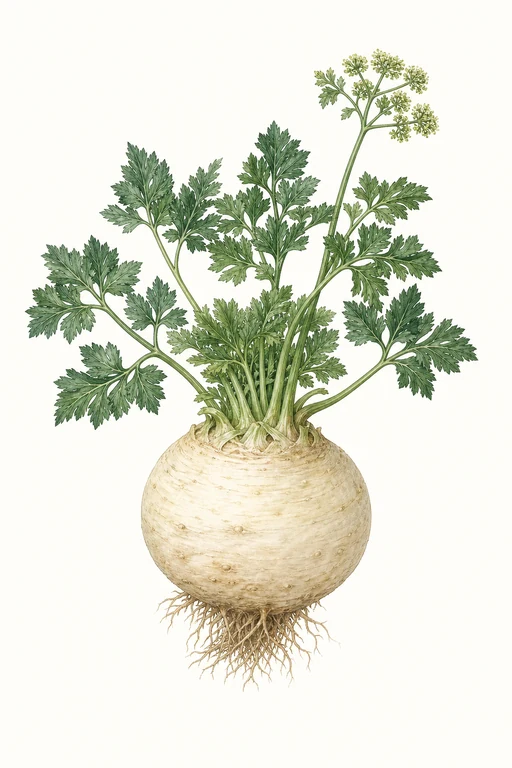
Silky and luminous, Alabaster celeriac forms a smooth, ivory “bulb” with a clean, bright celery aroma and a sweet, mellow bite.
The flesh stays tender and crisp with a fine, even texture, making it especially satisfying for roasting, fresh slicing, and creamy sauces where its delicate flavor shines. A steady 120-day journey rewards home gardeners with a refined, garden-to-plate centerpiece that stores well and stays flavorful.
Light: Full SunMaturity: 120 DaysHabit: Upright
Location not set yet
Location not set yet
Enter your ZIP for local crop dates
Alabaster Planting Dates by USDA Zone
Estimated US hardiness-zone windows for sow, transplant, and harvest. Enter a US ZIP above for exact local dates, or open a zone below.
| Zone | Start Indoors | Sow / Transplant | Harvest |
|---|---|---|---|
| Zone 1a | Protected Environment Only | ||
| Zone 1b | Protected Environment Only | ||
| Zone 2a | Protected Environment Only | ||
| Zone 2b | Protected Environment Only | ||
| Zone 3a | Protected Environment Only | ||
| Zone 3b | Mar 10th | May 12th | Sep 9th – Sep 21st |
| Zone 4a | Mar 6th | May 8th | Sep 5th – Sep 24th |
| Zone 4b | Mar 4th | May 6th | Sep 3rd – Sep 27th |
| Zone 5a | Feb 27th | May 1st | Aug 29th – Sep 30th |
| Zone 5b | Feb 23rd | Apr 27th | Aug 25th – Oct 5th |
| Zone 6a | Feb 20th | Apr 24th | Aug 22nd – Oct 10th |
| Zone 6b | Feb 14th | Apr 18th | Aug 16th – Oct 16th |
| Zone 7a | Feb 9th | Apr 13th | Aug 11th – Oct 20th |
| Zone 7b | Jan 30th | Apr 3rd | Aug 1st – Oct 28th |
| Zone 8a | Jan 21st | Mar 25th | Jul 23rd – Nov 5th |
| Zone 8b | Jan 12th | Mar 16th | Jul 14th – Nov 12th |
| Zone 9a | Dec 26th | Feb 27th | Jun 27th – Nov 26th |
| Zone 9b | Dec 1st | Feb 2nd | Jun 2nd – Dec 9th |
| Zone 10a | — | Oct 1st | Jan 29th – Feb 28th |
| Zone 10b | — | Oct 1st | Jan 29th – Feb 28th |
| Zone 11a | — | Oct 1st | Jan 29th – Feb 28th |
| Zone 11b | — | Oct 1st | Jan 29th – Feb 28th |
| Zone 12a | — | Oct 1st | Jan 29th – Feb 28th |
| Zone 12b | — | Oct 1st | Jan 29th – Feb 28th |
| Zone 13a | — | Oct 1st | Jan 29th – Feb 28th |
| Zone 13b | — | Oct 1st | Jan 29th – Feb 28th |
Crop Details
| Trait | Value |
|---|---|
| Days to Maturity | 120 |
| Sun Requirements | Full Sun |
| Growth Habit | Upright |
| Support Needed | None |
| Planting Depth | Normal |
| Germination Temp (°F) | 70 |
| Min Soil Temp (°F) | 45 |
| Min Night Temp (°F) | 35 |
| Harden Off (days) | 6 |
Culinary Notes

Chef's Note
Alabaster celeriac is engineered for the moment you want that celery brightness without the bitterness—its smooth, even flesh roasts and purées into a velvety texture that won’t turn grainy. It’s the kind of root that makes a simple butter-lemon sauce feel luxurious, because the crunch and aroma stay clean on the palate.

Best Uses
- roasting thick slabs until bronzed and caramel-sweet at the edges
- shaving raw into salads where it stays crisp under vinaigrette
- puréeing into silky gratin-style sides or creamy soups
- turning into fries or mash where it holds structure without getting woolly

Flavor Profile

Frequently Asked Questions
How do I prevent and treat downy mildew on Alabaster (120-day) plants?
How often should I water Alabaster during the main growing phase?
When is Alabaster ready to harvest?
Sowing Tips

Transplant Conditions
Wait until soil reaches 45°F and nights stay above 35°F before moving outdoors. Harden off for 6 days first.
Expert Note

Start indoors early and keep seedlings evenly moist; celeriac needs cool weather but won’t size up well if stressed by dryness or heat.