
Amsterdam Seasoning
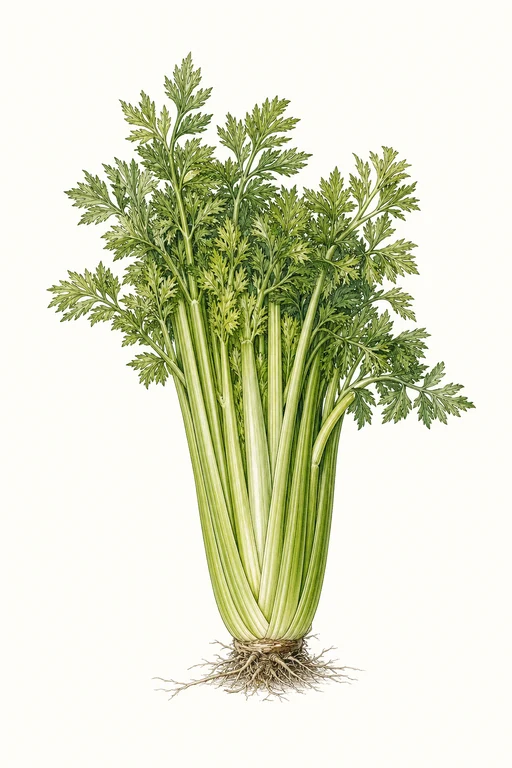
Fragrant, crisp stalks arrive in a cool, elegant crunch—Amsterdam Seasoning brings a bright celery perfume with a tender bite and clean, juicy texture.
The upright, well-filled plants develop flavorful ribs that shine in fresh bunches and lend themselves beautifully to seasoning blends, aromatic broths, and pickling-style preparations. Grow it for that unmistakable “garden celery” character—bold enough to stand out, yet refined on the palate for everyday use.
Light: Part SunMaturity: 70 DaysHabit: Upright
Crop Dates : 11a
| Milestone | Date |
|---|---|
| Start Indoors | — |
| Climate | Frost-Free Climate |
| Transplant / Sow Outdoors | Oct 1st |
| Harvest Begins | Dec 10th |
| Harvest Ends | Feb 28th |
Crop Details
| Trait | Value |
|---|---|
| Days to Maturity | 70 |
| Sun Requirements | Part Sun |
| Growth Habit | Upright |
| Support Needed | None |
| Planting Depth | Normal |
| Germination Temp (°F) | 70 |
| Min Soil Temp (°F) | 40 |
| Min Night Temp (°F) | 35 |
| Harden Off (days) | 7 |
Culinary Notes

Chef's Note
Amsterdam Seasoning celery is built for that cool “garden crunch”—it stays lively in the mouth and doesn’t go muddy. Chop it finely for broths and brines, or keep it chunky so its juicy snap stands up to butter, beans, and lemon.

Best Uses
- fresh-bunch eating with salt and citrus
- aromatic broths and stocks (quick simmer for celery-scented clarity)
- pickling-style brine applications for a snappy, clean crunch
- seasoning-bottle blends: minced celery + salt for instant stew/roast aromatics

Flavor Profile

Frequently Asked Questions
What pest or disease most commonly affects Apium graveolens (Amsterdam Seasoning), and how can I prevent it?
How often should I water Apium graveolens during the main growing phase?
How do I know when Amsterdam Seasoning (Apium graveolens) is ready to harvest?
Sowing Tips

Transplant Conditions
Wait until soil reaches 40°F and nights stay above 35°F before moving outdoors. Harden off for 7 days first.
Expert Note

Start celery early and keep seedlings consistently moist; transplant into cool but not freezing weather and avoid letting plants dry out to prevent bitterness.