
Angel Hair
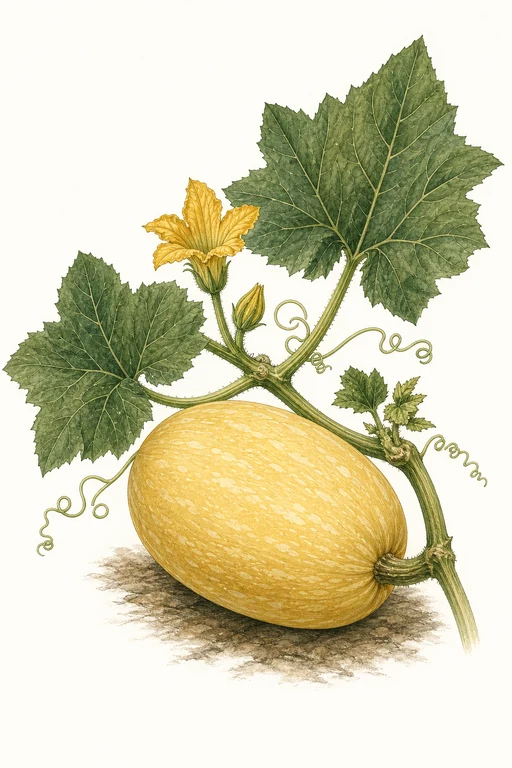
Tender strands that fall away like spun silk—Angel Hair Spaghetti Squash ripens to a golden, gently sweet flavor with a delicate, springy bite.
The flesh separates into long, fine “spaghetti” threads that cradle sauces beautifully, making it a standout for light suppers and hearty bowls alike. Grow it for its reliable 90-day rhythm and its elegant, edible texture that feels as special as it looks on the plate.
Light: Full SunMaturity: 90 DaysHabit: Vine
Planting schedules and alerts are optimized for Columbus (Zone 6b).
Crop Dates
| Milestone | Date |
|---|---|
| Start Indoors | Apr 18th |
| Last Frost | Apr 25th |
| Transplant / Sow Outdoors | May 2nd |
| Harvest Begins | Jul 31st |
| Harvest Ends | Oct 16th |
Crop Details
| Trait | Value |
|---|---|
| Days to Maturity | 90 |
| Sun Requirements | Full Sun |
| Growth Habit | Vine |
| Support Needed | Trellis |
| Planting Depth | Normal |
| Germination Temp (°F) | 70 |
| Min Soil Temp (°F) | 65 |
| Min Night Temp (°F) | 55 |
| Harden Off (days) | 12 |
Culinary Notes

Chef's Note
This variety’s defining trick is the fine strand texture: it separates easily and stays springy instead of collapsing, so it actually clings to sauce like pasta. Use it for fast, high-flavor tosses—acid, garlic, and fat make the strands taste golden rather than plain.

Best Uses
- forking into warm spaghetti for quick tosses with olive oil and lemon
- sauce-cradling bowls where threads stay springy (less mush than many winter squashes)
- baked halves and scraped strands as a light base for braises
- light gratin or Parmesan-toss where the strands form thin, toasty edges

Flavor Profile

Frequently Asked Questions
What pest or disease is most likely on Cucurbita pepo (angel hair) and how can I manage it?
How often should I water angel hair (Cucurbita pepo) during the main growing phase?
How do I tell when angel hair (Cucurbita pepo) is ready to harvest?
Sowing Tips

Transplant Conditions
Wait until soil reaches 65°F and nights stay above 55°F before moving outdoors. Harden off for 12 days first.

Direct Sow Preferred
Sensitive roots — does not transplant well. If starting indoors, use biodegradable pots and disturb roots as little as possible when moving outdoors.
Expert Note

For the best “angel hair” strands, grow on dry-matter-heavy spacing (avoid overly rich nitrogen) and harvest when the rind is fully tough and deep golden.