
Anivip
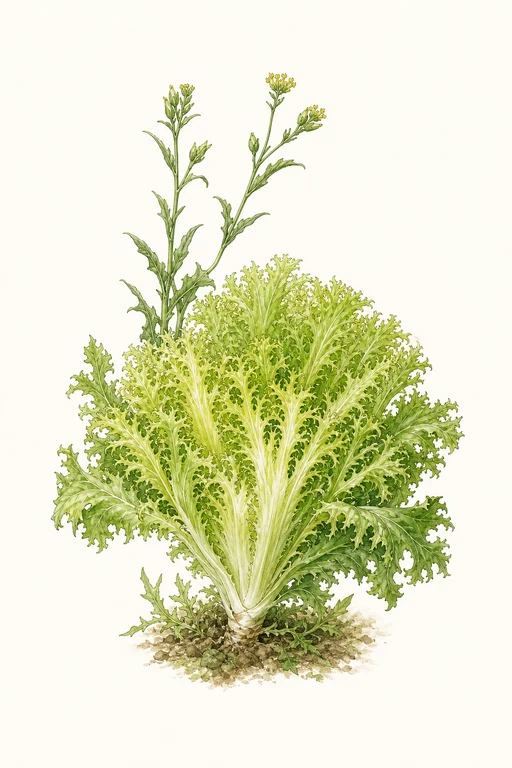
Tender, frilly heads unfurl in a cool-weather crescendo—Anivip frisee brings a lively, crisp bite with a softly bitter edge that feels bright and refined.
The leaves form tight, upright rosettes of finely cut texture, deepening in color as they mature for a striking garden-to-plate presence. Grow Anivip for fresh salads and elegant garnishes, or for quick pickling to highlight its distinctive, lively character.
Light: Part SunMaturity: 45 DaysHabit: Rosette
Planting schedules and alerts are optimized for Columbus (Zone 6b).
Crop Dates
| Milestone | Date |
|---|---|
| Start Indoors | Direct Sow |
| Last Frost | Apr 25th |
| Transplant / Sow Outdoors | Apr 11th |
| Harvest Begins | May 26th |
| Harvest Ends | Oct 16th |
Crop Details
| Trait | Value |
|---|---|
| Days to Maturity | 45 |
| Sun Requirements | Part Sun |
| Growth Habit | Rosette |
| Support Needed | None |
| Planting Depth | Normal |
| Germination Temp (°F) | 65 |
| Min Soil Temp (°F) | 40 |
| Min Night Temp (°F) | 30 |
| Harden Off (days) | 5 |
Culinary Notes

Chef's Note
Anivip frisee is built for texture-first eating: its fine frill stays crisp and its bitterness reads bright, not harsh. Dress it with mustard and a sharp acid, then serve immediately—this variety holds its bite when you treat it like a salad green, not a wilted one.

Best Uses
- tossed salads dressed just before eating to keep the bite snappy
- warm bacon–mustard vinaigrette where the bitterness plays clean against fat
- shaved or lightly dressed frisee as a bed for a fried egg
- quick refrigerator pickles to sharpen and tame the bitterness

Flavor Profile

Frequently Asked Questions
Why are my Anivip leaves developing powdery white patches, and how do I stop it fast?
How often should I water Anivip during its main 30–45 day growth period?
How can I tell when Anivip is ready to harvest at about 45 days?
Sowing Tips

Transplant Conditions
Wait until soil reaches 40°F and nights stay above 30°F before moving outdoors. Harden off for 5 days first.
Expert Note

For the mildest flavor and best frilling, grow frisee as a cool-season crop and avoid hot weather stress (shade in warm spells).