
Aqua
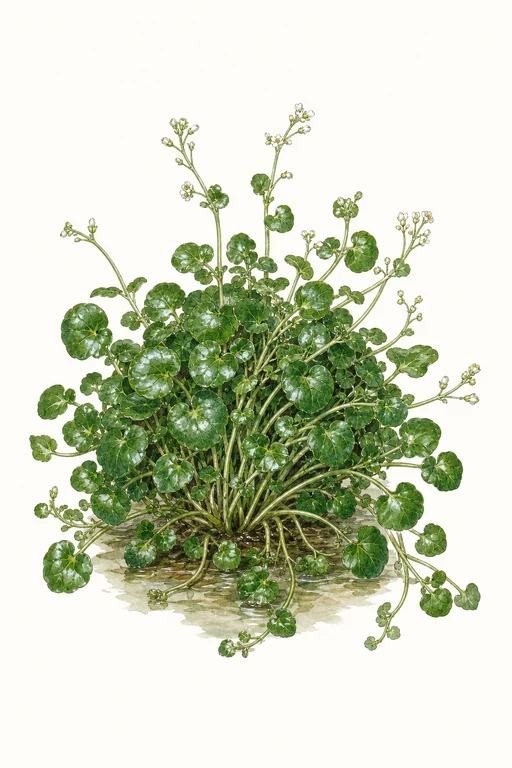
Cool, peppery freshness bursts from every tender leaf of Aqua watercress, with a bright, juicy bite and a clean, green snap.
Grown for quick turnaround, it forms a lush mat of small, succulent foliage that stays crisp and vibrant at harvest. Ideal for stirring into fresh salads, brightening sauces, and quick pickling for a lively, aquatic tang.
Light: Part SunMaturity: 30 DaysHabit: Spreading
Planting schedules and alerts are optimized for Columbus (Zone 6b).
Crop Dates
| Milestone | Date |
|---|---|
| Start Indoors | Direct Sow |
| Last Frost | Apr 25th |
| Transplant / Sow Outdoors | Apr 25th |
| Harvest Begins | May 25th |
| Harvest Ends | Oct 16th |
Crop Details
| Trait | Value |
|---|---|
| Days to Maturity | 30 |
| Sun Requirements | Part Sun |
| Growth Habit | Spreading |
| Support Needed | None |
| Planting Depth | Surface |
| Germination Temp (°F) | 55 |
| Min Soil Temp (°F) | 40 |
| Min Night Temp (°F) | 35 |
| Harden Off (days) | Not Required |
Culinary Notes

Chef's Note
Aqua watercress hits with a sharp pepper-citrus snap that doesn’t wilt into the background—this is for dishes you eat cold or finished at the last second. It’s especially good where you want that clean, slightly mineral zing to cut through fat and richness, like browned butter or creamy goat cheese.

Best Uses
- shaved into cold salads where the leaves stay crisp
- stirred into warm beurre blanc or pan sauce off-heat for a peppery lift
- blended into quick herb sauces (salsa verde–style) with a bright, juicy texture
- rapid pickling to keep the bite snappy and the tang lively

Flavor Profile

Frequently Asked Questions
What pest or disease commonly affects Nasturtium officinale (watercress/Aqua), and how can I control it?
How often should I water Nasturtium officinale during the main growing phase, and what soil moisture level should I aim for?
How do I tell when Nasturtium officinale is ready to harvest?
Sowing Tips

Transplant Conditions
Wait until soil reaches 40°F and nights stay above 35°F before moving outdoors.
Expert Note

Keep watercress continuously moist (or grown hydroponically) and harvest frequently to encourage fresh, tender regrowth.