
Ararat
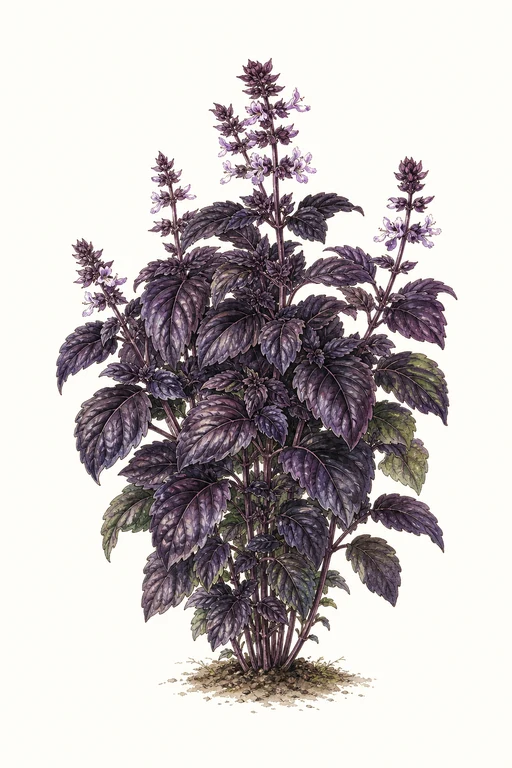
Sink your senses into Ararat Purple Basil’s velvety, wine-dark leaves that release a rich, sweet-anise fragrance the moment you brush past them.
The foliage is tender and lush with a softly ruffled texture, forming a compact, upright plant that’s as beautiful as it is aromatic. Grow Ararat for bold purple color and fragrant leaves that shine in fresh garnishes, vibrant sauces, and fragrant finishing touches—ideal for gardeners who want their herb bed to look as striking as it smells.
Light: Full SunMaturity: 60 DaysHabit: Upright
Location not set yet
Location not set yet
Enter your ZIP for local crop dates
Ararat Planting Dates by USDA Zone
Estimated US hardiness-zone windows for sow, transplant, and harvest. Enter a US ZIP above for exact local dates, or open a zone below.
| Zone | Start Indoors | Sow / Transplant | Harvest |
|---|---|---|---|
| Zone 1a | Protected Environment Only | ||
| Zone 1b | Apr 20th | Jul 27th | Sep 25th – Aug 1st |
| Zone 2a | Apr 13th | Jul 20th | Sep 18th – Aug 29th |
| Zone 2b | Apr 3rd | Jul 10th | Sep 8th – Aug 25th |
| Zone 3a | Apr 3rd | Jul 10th | Sep 8th – Sep 1st |
| Zone 3b | Apr 7th | Jul 14th | Sep 12th – Sep 21st |
| Zone 4a | Apr 3rd | Jul 10th | Sep 8th – Sep 24th |
| Zone 4b | Apr 1st | Jul 8th | Sep 6th – Sep 27th |
| Zone 5a | Mar 27th | Jul 3rd | Sep 1st – Sep 30th |
| Zone 5b | Mar 23rd | Jun 29th | Aug 28th – Oct 5th |
| Zone 6a | Mar 20th | Jun 26th | Aug 25th – Oct 10th |
| Zone 6b | Mar 14th | Jun 20th | Aug 19th – Oct 16th |
| Zone 7a | Mar 9th | Jun 15th | Aug 14th – Oct 20th |
| Zone 7b | Feb 27th | Jun 5th | Aug 4th – Oct 28th |
| Zone 8a | Feb 18th | May 27th | Jul 26th – Nov 5th |
| Zone 8b | Feb 9th | May 18th | Jul 17th – Nov 12th |
| Zone 9a | Jan 23rd | May 1st | Jun 30th – Nov 26th |
| Zone 9b | Dec 29th | Apr 6th | Jun 5th – Dec 9th |
| Zone 10a | — | Oct 1st | Nov 30th – Feb 28th |
| Zone 10b | — | Oct 1st | Nov 30th – Feb 28th |
| Zone 11a | — | Oct 1st | Nov 30th – Feb 28th |
| Zone 11b | — | Oct 1st | Nov 30th – Feb 28th |
| Zone 12a | — | Oct 1st | Nov 30th – Feb 28th |
| Zone 12b | — | Oct 1st | Nov 30th – Feb 28th |
| Zone 13a | — | Oct 1st | Nov 30th – Feb 28th |
| Zone 13b | — | Oct 1st | Nov 30th – Feb 28th |
Crop Details
| Trait | Value |
|---|---|
| Days to Maturity | 60 |
| Sun Requirements | Full Sun |
| Growth Habit | Upright |
| Support Needed | None |
| Planting Depth | Surface |
| Germination Temp (°F) | 70 |
| Min Soil Temp (°F) | 60 |
| Min Night Temp (°F) | 50 |
| Harden Off (days) | 10 |
Culinary Notes

Chef's Note
Ararat Purple Basil hits with a sweet, anise-forward perfume and a soft, pliant leaf that stays pretty even when you’re just tossing it in at the end. Because it’s aromatic rather than aggressive, it shines in quick emulsions and bright acids—think lemon and vinegar—where that wine-dark fragrance can actually speak.

Best Uses
- torn-leaf finishing on hot grains and soups
- quick-blended pesto-style sauce (minimal cook time)
- infused vinegar or simple syrup for cocktails and spritzes
- purple basil garnish for salads and grilled proteins

Flavor Profile

Frequently Asked Questions
How do I prevent and treat powdery mildew on Ararat (60-day) plants?
How often should I water Ararat during the main growing phase (weeks 2–6)?
When is Ararat ready to harvest (60 days), and what signs should I look for?
Sowing Tips

Transplant Conditions
Wait until soil reaches 60°F and nights stay above 50°F before moving outdoors. Harden off for 10 days first.
Expert Note

Start basil indoors early, but transplant only after nights are reliably warm to avoid cold-stunting; pinch tips to encourage a bushy plant.