
Arikara
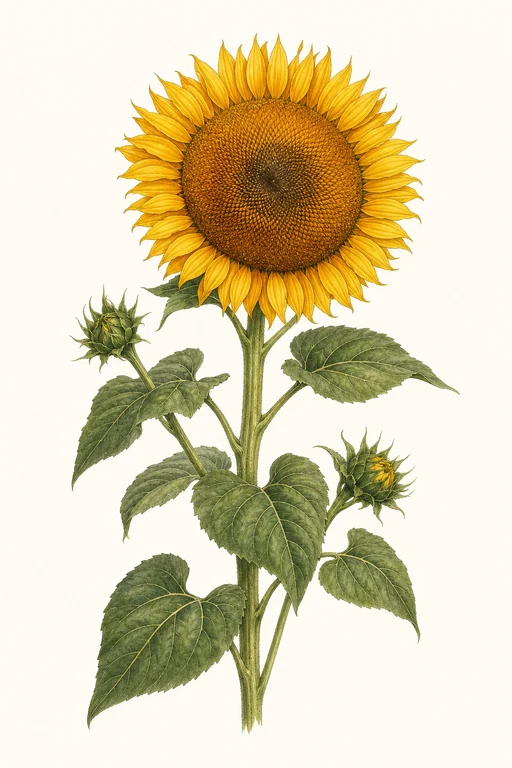
Warm, golden faces rise with a regal, sun-catching presence—Arikara’s blooms bring a rich, honeyed depth of color and a sturdy, upright confidence to the garden.
The seeds develop in substantial, well-filled heads, offering a satisfying, nutty richness prized for seed oil and for saving as an heirloom staple. A non-GMO treasure for pollinators, Arikara rewards attentive growers with bold, long-season performance through 95 days to maturity.
Light: Full SunMaturity: 95 DaysHabit: Upright
Location not set yet
Location not set yet
Enter your ZIP for local crop dates
Arikara Planting Dates by USDA Zone
Estimated US hardiness-zone windows for sow, transplant, and harvest. Enter a US ZIP above for exact local dates, or open a zone below.
| Zone | Start Indoors | Sow / Transplant | Harvest |
|---|---|---|---|
| Zone 1a | Protected Environment Only | ||
| Zone 1b | Protected Environment Only | ||
| Zone 2a | Direct Sow | May 25th | Aug 28th – Aug 29th |
| Zone 2b | Direct Sow | May 15th | Aug 18th – Aug 25th |
| Zone 3a | Direct Sow | May 15th | Aug 18th – Sep 1st |
| Zone 3b | Direct Sow | May 19th | Aug 22nd – Sep 21st |
| Zone 4a | Direct Sow | May 15th | Aug 18th – Sep 24th |
| Zone 4b | Direct Sow | May 13th | Aug 16th – Sep 27th |
| Zone 5a | Direct Sow | May 8th | Aug 11th – Sep 30th |
| Zone 5b | Direct Sow | May 4th | Aug 7th – Oct 5th |
| Zone 6a | Direct Sow | May 1st | Aug 4th – Oct 10th |
| Zone 6b | Direct Sow | Apr 25th | Jul 29th – Oct 16th |
| Zone 7a | Direct Sow | Apr 20th | Jul 24th – Oct 20th |
| Zone 7b | Direct Sow | Apr 10th | Jul 14th – Oct 28th |
| Zone 8a | Direct Sow | Apr 1st | Jul 5th – Nov 5th |
| Zone 8b | Direct Sow | Mar 23rd | Jun 26th – Nov 12th |
| Zone 9a | Direct Sow | Mar 6th | Jun 9th – Nov 26th |
| Zone 9b | Direct Sow | Feb 9th | May 15th – Dec 9th |
| Zone 10a | — | Oct 1st | Jan 4th – Feb 28th |
| Zone 10b | — | Oct 1st | Jan 4th – Feb 28th |
| Zone 11a | — | Oct 1st | Jan 4th – Feb 28th |
| Zone 11b | — | Oct 1st | Jan 4th – Feb 28th |
| Zone 12a | — | Oct 1st | Jan 4th – Feb 28th |
| Zone 12b | — | Oct 1st | Jan 4th – Feb 28th |
| Zone 13a | — | Oct 1st | Jan 4th – Feb 28th |
| Zone 13b | — | Oct 1st | Jan 4th – Feb 28th |
Crop Details
| Trait | Value |
|---|---|
| Days to Maturity | 95 |
| Sun Requirements | Full Sun |
| Growth Habit | Upright |
| Support Needed | None |
| Planting Depth | Normal |
| Germination Temp (°F) | 70 |
| Min Soil Temp (°F) | 55 |
| Min Night Temp (°F) | 35 |
| Harden Off (days) | Not Required |
Culinary Notes

Chef's Note
Arikara seeds lean warm and sunflower-bright—roast them until they go aggressively fragrant and the kernels stay pleasantly crisp. Because the oil is the point (not a watery kernel), this is a seed you use for texture and flavor punch: toast, grind, or dress, then finish with something acidic to keep it from getting heavy.

Best Uses
- roasted seeds for snacking or topping salads
- cold-pressed style seed oil for vinaigrettes and finishing
- baking into hearty bread doughs and granola for crunch
- seed paste/tahini-style spread when finely ground

Flavor Profile

Frequently Asked Questions
What pest or disease most commonly affects Helianthus annuus (sunflower), and how can I manage it?
How often should I water Helianthus annuus during the main growing phase, and what soil moisture level should I maintain?
How do I tell when Helianthus annuus is ready to harvest (seeds/heads)?
Sowing Tips

Transplant Conditions
Wait until soil reaches 55°F and nights stay above 35°F before moving outdoors.
Expert Note

For best stands, sow sunflower seed directly after the danger of hard frost when soil temps are reliably warm, then thin to the final spacing for large seed heads.