
Arp
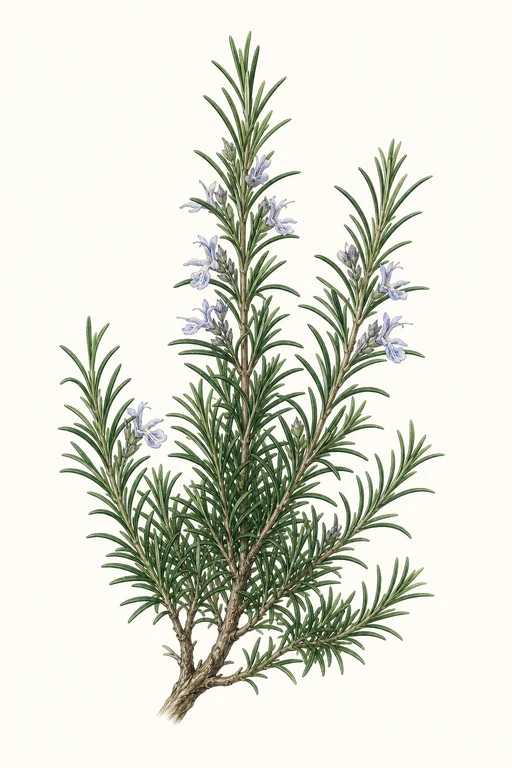
Fragrant as a sunlit hillside, Arp rosemary fills the garden with a resinous, pine-needle perfume and delivers bold, savory sprigs that hold their character from fresh harvest to drying.
The foliage is deep forest-green and notably aromatic, with a refined, upright habit that makes it easy to gather generous armfuls for flavorful bundles. Arp is a standout for home gardeners seeking a reliable, long-season rosemary for seasoning blends, infusions, and aromatic oils—an herb that turns everyday meals into something memorable.
Light: Full SunMaturity: 90 DaysHabit: Upright
Location not set yet
Location not set yet
Enter your ZIP for local crop dates
Arp Planting Dates by USDA Zone
Estimated US hardiness-zone windows for sow, transplant, and harvest. Enter a US ZIP above for exact local dates, or open a zone below.
| Zone | Start Indoors | Sow / Transplant | Harvest |
|---|---|---|---|
| Zone 1a | May 18th | Jul 27th | Oct 25th – Jul 15th |
| Zone 1b | May 4th | Jul 13th | Oct 11th – Aug 1st |
| Zone 2a | Apr 27th | Jul 6th | Oct 4th – Aug 29th |
| Zone 2b | Apr 17th | Jun 26th | Sep 24th – Aug 25th |
| Zone 3a | Apr 17th | Jun 26th | Sep 24th – Sep 1st |
| Zone 3b | Apr 21st | Jun 30th | Sep 28th – Sep 21st |
| Zone 4a | Apr 17th | Jun 26th | Sep 24th – Sep 24th |
| Zone 4b | Apr 15th | Jun 24th | Sep 22nd – Sep 27th |
| Zone 5a | Apr 10th | Jun 19th | Sep 17th – Sep 30th |
| Zone 5b | Apr 6th | Jun 15th | Sep 13th – Oct 5th |
| Zone 6a | Apr 3rd | Jun 12th | Sep 10th – Oct 10th |
| Zone 6b | Mar 28th | Jun 6th | Sep 4th – Oct 16th |
| Zone 7a | Mar 23rd | Jun 1st | Aug 30th – Oct 20th |
| Zone 7b | Mar 13th | May 22nd | Aug 20th – Oct 28th |
| Zone 8a | Mar 4th | May 13th | Aug 11th – Nov 5th |
| Zone 8b | Feb 23rd | May 4th | Aug 2nd – Nov 12th |
| Zone 9a | Feb 6th | Apr 17th | Jul 16th – Nov 26th |
| Zone 9b | Jan 12th | Mar 23rd | Jun 21st – Dec 9th |
| Zone 10a | — | Oct 1st | Dec 30th – Feb 28th |
| Zone 10b | — | Oct 1st | Dec 30th – Feb 28th |
| Zone 11a | — | Oct 1st | Dec 30th – Feb 28th |
| Zone 11b | — | Oct 1st | Dec 30th – Feb 28th |
| Zone 12a | — | Oct 1st | Dec 30th – Feb 28th |
| Zone 12b | — | Oct 1st | Dec 30th – Feb 28th |
| Zone 13a | — | Oct 1st | Dec 30th – Feb 28th |
| Zone 13b | — | Oct 1st | Dec 30th – Feb 28th |
Crop Details
| Trait | Value |
|---|---|
| Days to Maturity | 90 |
| Sun Requirements | Full Sun |
| Growth Habit | Upright |
| Support Needed | None |
| Planting Depth | Normal |
| Germination Temp (°F) | 70 |
| Min Soil Temp (°F) | 60 |
| Min Night Temp (°F) | 35 |
| Harden Off (days) | 7 |
Culinary Notes

Chef's Note
Arp rosemary is built for the long haul: its resinous, aromatic punch holds steady from fresh picking through drying, so you get that piney savor in the final bite. Use it to perfume fat (oil/butter) or meat—its intensity won’t disappear and it won’t taste weedy if you give it heat time.

Best Uses
- dry-rub roasts and lamb with rosemary twigs that stay fragrant through high heat
- infuse olive oil or butter for finishing—let it perfume the fat, not just the surface
- stir sprigs into beans, lentils, or chickpeas near the end to avoid going harsh
- use dried rosemary in slow sauces where it can rehydrate and soften

Flavor Profile

Frequently Asked Questions
How do I manage powdery mildew on Arp squash (or squash-type cucurbits) during warm, humid weather?
How often should I water Arp during the main growing phase to avoid stunted growth and poor fruit set?
When is Arp ready to harvest, and how can I tell without guessing?
Sowing Tips

Transplant Conditions
Wait until soil reaches 60°F and nights stay above 35°F before moving outdoors. Harden off for 7 days first.
Expert Note

Start indoors early for stronger roots, but transplant only after nights are consistently mild to avoid cold stress even for hardy rosemary.