
Aspabroc
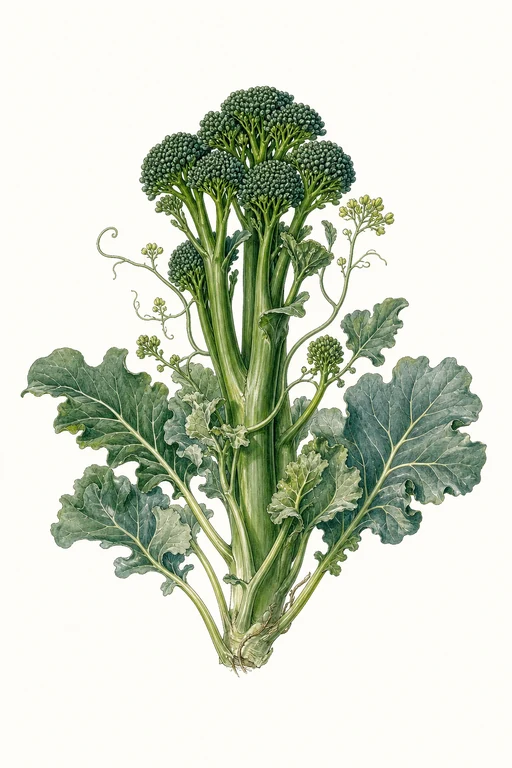
Tender, sweet florets with a cool, green snap—Aspabroc broccolini brings a vivid, garden-fresh flavor that tastes bright and lightly nutty.
Expect slender side shoots topped with compact heads, backed by crisp stems that stay pleasantly succulent at maturity. Ideal for quick roasting, sautéing, and steaming, Aspabroc also shines in stir-fries and bright sauces where its delicate texture holds beautifully.
Light: Full SunMaturity: 55 DaysHabit: Upright
Planting schedules and alerts are optimized for Columbus (Zone 6b).
Crop Dates
| Milestone | Date |
|---|---|
| Start Indoors | Mar 28th |
| Last Frost | Apr 25th |
| Transplant / Sow Outdoors | Apr 25th |
| Harvest Begins | Jun 19th |
| Harvest Ends | Oct 16th |
Crop Details
| Trait | Value |
|---|---|
| Days to Maturity | 55 |
| Sun Requirements | Full Sun |
| Growth Habit | Upright |
| Support Needed | None |
| Planting Depth | Normal |
| Germination Temp (°F) | 45 |
| Min Soil Temp (°F) | 40 |
| Min Night Temp (°F) | 35 |
| Harden Off (days) | 6 |
Culinary Notes

Chef's Note
Aspabroc broccolini is built for speed: high heat keeps the stems pleasantly juicy while the florets don’t collapse into cabbagey softness. The cool green bite loves sharp acid and salty umami—think lemon, Parmesan, or anchovy—so it tastes lively instead of flat.

Best Uses
- quick-roast on a hot pan until the stems blister and the florets glaze
- high-heat sauté with garlic/oil for a tight, snappy texture
- steam-then-toss in a bright lemon-butter or tahini-lemon sauce
- stir-fry where you want it to stay vivid and not turn mushy

Flavor Profile

Frequently Asked Questions
Why are my aspabroc leaves turning yellow with whitish webbing—could it be spider mites, and what should I do?
How often should I water aspabroc during the main growing phase to keep heads/leaf growth steady?
When is aspabroc ready to harvest, and how can I tell without guessing?
Sowing Tips

Transplant Conditions
Wait until soil reaches 40°F and nights stay above 35°F before moving outdoors. Harden off for 6 days first.
Expert Note

For best flavor, grow broccolini in cool weather and avoid letting plants bolt from prolonged heat—use shade cloth if summers arrive early.