
Baby Artichoke
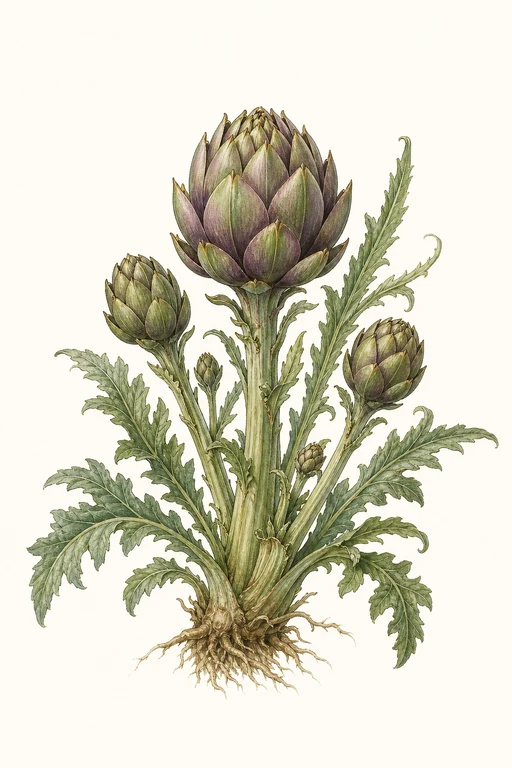
Tender, nutty-sweet baby artichokes arrive with a silken, tightly layered bud that feels almost velvety to the eye—and promises a mellow, earthy flavor that’s never harsh.
Each compact head develops into a petite, globe form with crisp, succulent inner leaves, ideal for roasting until bronzed, steaming for a gentle savor, or turning into silky sauces and spreads. Grow Baby Artichoke for a long, rewarding harvest window of charming, edible crowns that elevate everyday garden tables with their distinctive character.
Light: Full SunMaturity: 85 DaysHabit: Clumping
Crop Dates : 8a
| Milestone | Date |
|---|---|
| Start Indoors | Jan 21st |
| Last Frost | Apr 1st |
| Transplant / Sow Outdoors | Mar 25th |
| Harvest Begins | Jun 18th |
| Harvest Ends | Nov 5th |
Crop Details
| Trait | Value |
|---|---|
| Days to Maturity | 85 |
| Sun Requirements | Full Sun |
| Growth Habit | Clumping |
| Support Needed | None |
| Planting Depth | Normal |
| Germination Temp (°F) | 70 |
| Min Soil Temp (°F) | 50 |
| Min Night Temp (°F) | 40 |
| Harden Off (days) | 7 |
Culinary Notes

Chef's Note
Baby artichokes cook fast and stay sweet—roast them until the leaves bronze and the heart turns creamy without getting aggressively bitter. Their tight, crisp layers love bright lemon and fat (olive oil/butter) to mellow that herbal earthiness.

Best Uses
- roast or braise until the tips bronze and the insides go buttery
- steam and serve with lemon-garlic butter for a clean, non-bitter bite
- shave or quarter into warm salads, where the layers stay crisp under vinaigrette
- blend into a silky artichoke dip/spread or puree for pasta sauce

Flavor Profile

Frequently Asked Questions
How do I manage powdery mildew on baby artichokes?
How often should I water baby artichokes during active growth?
How can I tell when baby artichokes are ready to harvest?
Sowing Tips

Transplant Conditions
Wait until soil reaches 50°F and nights stay above 40°F before moving outdoors. Harden off for 7 days first.
Expert Note

In cooler areas, start baby artichoke early and transplant close to last frost so crowns can establish before summer heat and harvest can begin once buds form.