
Black Ball
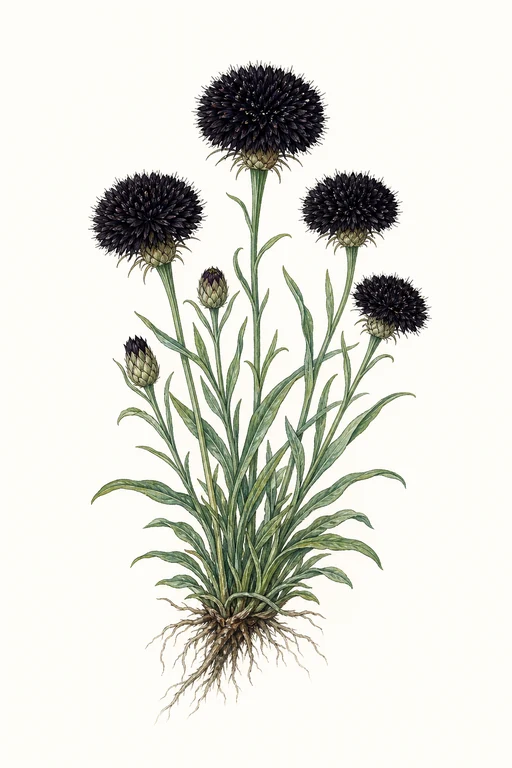
Velvety, inky-black blooms with a softly domed, cornflower silhouette bring a dramatic, midnight note to the garden—yet they open with a gentle, floral fragrance and a crisp, petal texture.
Black Ball forms sturdy, upright stems that hold their color beautifully from bud through full bloom, making it a standout for fresh bouquets and long-lasting dried arrangements. Grow it for a bold, ornamental splash that turns summer borders into a living gallery of deep, velour-like color.
Light: Full SunMaturity: 70 DaysHabit: Upright
Planting schedules and alerts are optimized for Columbus (Zone 6b).
Crop Dates
| Milestone | Date |
|---|---|
| Start Indoors | Direct Sow |
| Last Frost | Apr 25th |
| Transplant / Sow Outdoors | Apr 25th |
| Harvest Begins | Jul 4th |
| Harvest Ends | Oct 16th |
Crop Details
| Trait | Value |
|---|---|
| Days to Maturity | 70 |
| Sun Requirements | Full Sun |
| Growth Habit | Upright |
| Support Needed | None |
| Planting Depth | Surface |
| Germination Temp (°F) | 60 |
| Min Soil Temp (°F) | 50 |
| Min Night Temp (°F) | 35 |
| Harden Off (days) | Not Required |
Culinary Notes

Chef's Note
These cornflower petals are built for clean, bright plates: the crunch stays present and the fragrance stays delicate rather than muddy. Use them where the color and petal texture can speak—finished, not cooked hard.

Best Uses
- as a high-contrast garnish on citrusy salads
- floating on chilled drinks and spritzers for a petal snap
- folded into rice or grain bowls right at the end for texture
- dried petals for subtle floral decoration on plated desserts

Flavor Profile

Frequently Asked Questions
How do I prevent and treat powdery mildew on Black Ball (near-spherical) squash or melon plants?
During the main growing phase, how often should I water Black Ball to keep the soil right?
How can I tell when Black Ball is ready to harvest at around 70 days?
Sowing Tips

Transplant Conditions
Wait until soil reaches 50°F and nights stay above 35°F before moving outdoors.
Expert Note

For the best deep-purple blooms, sow in full sun and avoid transplanting—direct sow keeps roots intact and improves establishment.