
Black Coat
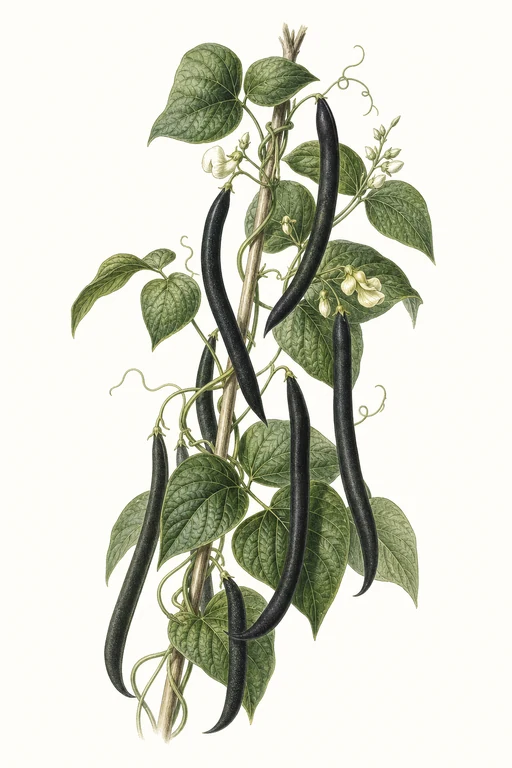
Velvety, inky pods drape from vigorous poles like satin ribbons—Black Coat delivers a deep, almost black-green sheen that turns especially striking in the garden light.
Tender yet substantial, the pods hold their shape with a crisp snap and a pleasantly sweet, bean-forward flavor. Grow Black Coat for abundant harvests suited to fresh pod enjoyment and for showcasing in vibrant pod-forward dishes, from quick sautés to hearty, sauce-ready servings.
Light: Full SunMaturity: 90 DaysHabit: Clumping
Planting schedules and alerts are optimized for Columbus (Zone 6b).
Crop Dates
| Milestone | Date |
|---|---|
| Start Indoors | Direct Sow |
| Last Frost | Apr 25th |
| Transplant / Sow Outdoors | Apr 25th |
| Harvest Begins | Jul 24th |
| Harvest Ends | Oct 16th |
Crop Details
| Trait | Value |
|---|---|
| Days to Maturity | 90 |
| Sun Requirements | Full Sun |
| Growth Habit | Clumping |
| Support Needed | Trellis |
| Planting Depth | Normal |
| Germination Temp (°F) | 70 |
| Min Soil Temp (°F) | 60 |
| Min Night Temp (°F) | 50 |
| Harden Off (days) | Not Required |
Culinary Notes

Chef's Note
Black Coat’s pods are tender but still reliably crisp, so they’re built for fast heat where they stay ribbon-like instead of turning soft. Use them where their near-black color and sweet, vegetal snap can show off—finished with acid and fat to make the flavor pop.

Best Uses
- quick sauté in olive oil with garlic and a squeeze of lemon—keep them crisp
- stir-fry with high heat so they blister without going stringy
- blanch-and-chill for snappy green-bean salad with a tangy vinaigrette
- toss into a thickened pan sauce (butter-wine or tomato-braised) for glossy pod-ready sides

Flavor Profile

Frequently Asked Questions
What’s the most common pest or disease problem for Phaseolus coccineus (runner bean), and how can I treat it?
How often should I water runner beans during peak growth (when plants are flowering and setting pods)?
How do I know when Phaseolus coccineus ‘Black Coat’ runner beans are ready to harvest?
Sowing Tips

Transplant Conditions
Wait until soil reaches 60°F and nights stay above 50°F before moving outdoors.
Expert Note

Direct-sow pole beans after soil warms and keep evenly moist until they establish, then let the vines climb for best pod set.