
Blauwschokker
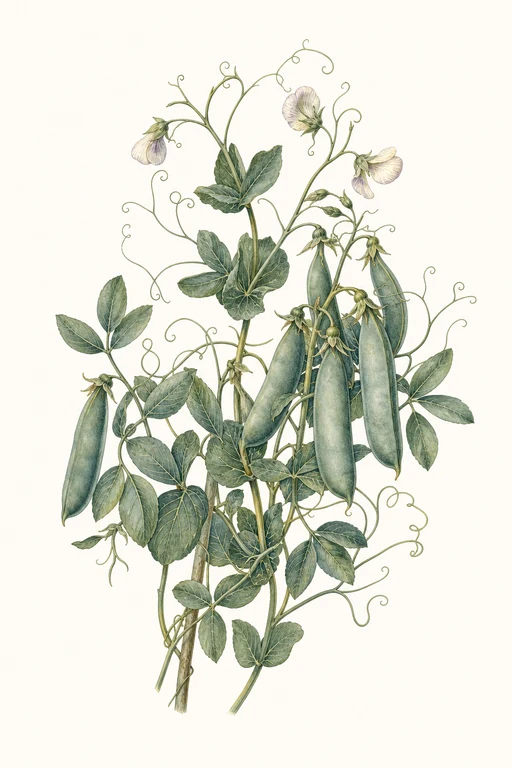
Sweetly perfumed and vividly tender, Blauwschokker shelling peas bring a cool, garden-fresh snap with kernels that cook up into a smooth, buttery bite.
The pods are generously filled, holding their deep, satisfying green as they mature, making them a standout for home harvest and reliable performance at about 70 days. Grow Blauwschokker for a classic shelling pea you’ll want to grow again—straight from the garden to the pot, with flavor that feels unmistakably “pea-sweet.”
Light: Full SunMaturity: 70 DaysHabit: Upright
Crop Dates : 2a
| Milestone | Date |
|---|---|
| Start Indoors | Direct Sow |
| Last Frost | May 25th |
| Transplant / Sow Outdoors | May 25th |
| Harvest Begins | Aug 3rd |
| Harvest Ends | Aug 29th |
Crop Details
| Trait | Value |
|---|---|
| Days to Maturity | 70 |
| Sun Requirements | Full Sun |
| Growth Habit | Upright |
| Support Needed | Trellis |
| Planting Depth | Normal |
| Germination Temp (°F) | 45 |
| Min Soil Temp (°F) | 40 |
| Min Night Temp (°F) | 30 |
| Harden Off (days) | Not Required |
Culinary Notes

Chef's Note
Blauwschokker is built for speed: its tenderness keeps the kernels sweet and glossy, not starchy. Use butter and a hit of acid (lemon or vinegar) to sharpen the pea perfume—overcooking is the only real way to dull this one.

Best Uses
- quick sautéing just until bright green and glossy
- shucking and steaming for a classic butter-and-salt finish
- folding into silky risotto or pasta at the very end
- pureeing into a smooth pea soup or potage with stock and cream

Flavor Profile

Frequently Asked Questions
Why are my Blauwschokker plants getting leaf spots or blight, and what can I do?
How often should I water Blauwschokker during the main growing period?
When are Blauwschokker pods ready to harvest?
Sowing Tips

Transplant Conditions
Wait until soil reaches 40°F and nights stay above 30°F before moving outdoors.
Expert Note

For best flavor, sow outdoors as soon as soil can be worked and keep the soil evenly moist until pods set—peas are sweetest when they mature in cool weather.