
Blondy
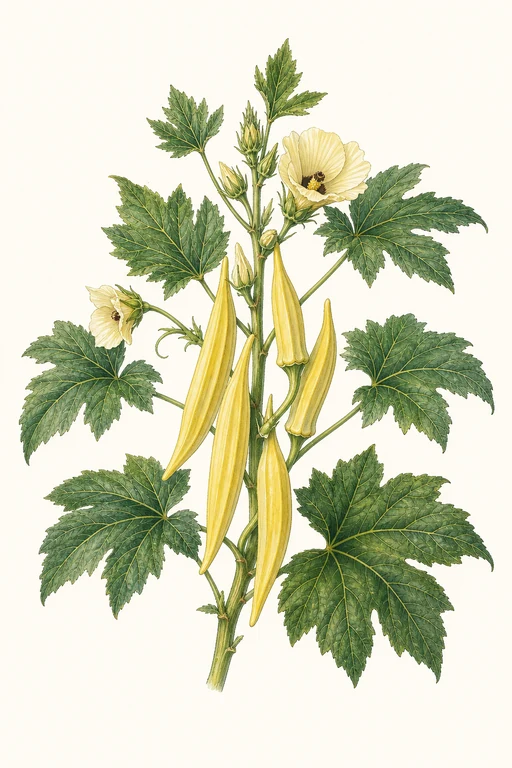
Tender pods arrive with a luminous, pale-gold glow—Blondy okra is prized for its mellow, sweet flavor and a silky, tender bite that stays pleasantly refined when harvested young.
The upright plants produce an abundance of slender, softly ridged pods that feel crisp at first touch, then melt into a smooth texture ideal for showcasing in fresh preparations and quick skillet-style favorites. Grow Blondy for a bright, garden-to-plate standout that turns warm days into a steady harvest rhythm in about 55 days.
Light: Full SunMaturity: 55 DaysHabit: Bush
Planting schedules and alerts are optimized for Columbus (Zone 6b).
Crop Dates
| Milestone | Date |
|---|---|
| Start Indoors | Direct Sow |
| Last Frost | Apr 25th |
| Transplant / Sow Outdoors | Apr 25th |
| Harvest Begins | Jun 19th |
| Harvest Ends | Oct 16th |
Crop Details
| Trait | Value |
|---|---|
| Days to Maturity | 55 |
| Sun Requirements | Full Sun |
| Growth Habit | Bush |
| Support Needed | None |
| Planting Depth | Normal |
| Germination Temp (°F) | 70 |
| Min Soil Temp (°F) | 65 |
| Min Night Temp (°F) | 55 |
| Harden Off (days) | 10 |
Culinary Notes

Chef's Note
Blondy’s pale pods are built for short-cook presentations: you get that silky, melt-in texture without the whole batch sliding into chew-and-string. Chase heat and timing—when they’re young, they hold a clean, sweet edge that shines with citrus and garlic.

Best Uses
- quick skillet tosses where the pods stay tender and glossy, not stringy
- stir-fries with high heat so the coating clings without turning gummy
- lightly dressed warm salads (still-steamy pods against lemony vinaigrette)
- pan-roasted or fried applications that preserve a refined, delicate interior

Flavor Profile

Frequently Asked Questions
Blondy lettuce has white, cottony growth and wilting—what disease is it and what should I do?
How often should I water Blondy lettuce during the main growth phase (after it’s established)?
How can I tell when Blondy lettuce is ready to harvest at about 55 days?
Sowing Tips

Transplant Conditions
Wait until soil reaches 65°F and nights stay above 55°F before moving outdoors. Harden off for 10 days first.

Direct Sow Preferred
Sensitive roots — does not transplant well. If starting indoors, use biodegradable pots and disturb roots as little as possible when moving outdoors.
Expert Note

For best pod production, wait to transplant until nights are consistently warm (and soil is truly warm) and harvest pods every 2–3 days once they start.