
Bloomsdale Long Standing
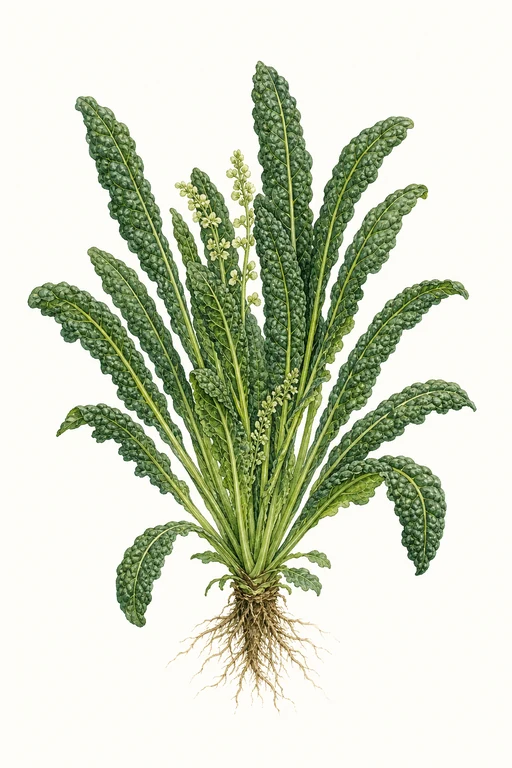
Sweet, tender leaves with a cool, spinach-green allure—Bloomsdale Long Standing brings a lush, upright rosette that feels velvety to the touch.
Expect long, deeply crinkled blades with crisp texture and a gentle, well-rounded flavor that shines in fresh salads and quick sautés, and also holds its character beautifully for steaming, soups, and hearty sauces. A dependable choice for home gardeners, it’s prized for steady performance around the 40-day mark and for staying attractive as it matures.
Light: Full SunMaturity: 40 DaysHabit: Rosette
Crop Dates : 9b
| Milestone | Date |
|---|---|
| Start Indoors | Jan 12th |
| Last Frost | Feb 9th |
| Transplant / Sow Outdoors | Feb 2nd |
| Harvest Begins | Mar 14th |
| Harvest Ends | Dec 9th |
Crop Details
| Trait | Value |
|---|---|
| Days to Maturity | 40 |
| Sun Requirements | Full Sun |
| Growth Habit | Rosette |
| Support Needed | None |
| Planting Depth | Surface |
| Germination Temp (°F) | 70 |
| Min Soil Temp (°F) | 40 |
| Min Night Temp (°F) | 30 |
| Harden Off (days) | 5 |
Culinary Notes

Chef's Note
Bloomsdale Long Standing’s deeply crinkled, upright leaves give you a crisp-tender mouthfeel even after brief heat, so it wilts gracefully instead of going flat and watery. It’s the kind of spinach that stays sweet and clean whether you’re dressing it raw or folding it into a simmering pot.

Best Uses
- quick sautéed spinach that keeps its body (no mushy collapse)
- steam-and-squeeze side greens with a slick of olive oil and lemon
- wilted into soups and brothy sauces without turning stringy
- raw salads where the leaves stay crisp under light vinaigrettes

Flavor Profile

Frequently Asked Questions
How do I manage downy mildew or bolting problems in Bloomsdale Long Standing (about 40 days) that start showing as yellow patches on leaves?
How often should I water Bloomsdale Long Standing during the main growing phase to keep heads tender and prevent bitterness?
When is Bloomsdale Long Standing ready to harvest, and what signs should I look for?
Sowing Tips

Transplant Conditions
Wait until soil reaches 40°F and nights stay above 30°F before moving outdoors. Harden off for 5 days first.
Expert Note

For Bloomsdale Long Standing, aim to transplant when nights are reliably cool so the plants stay vegetative and avoid bolting in heat.