
Blue Lake Stringless
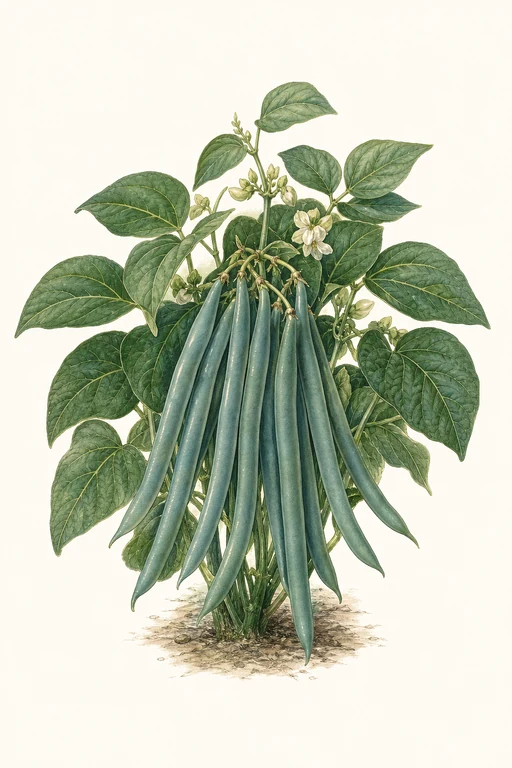
Silken, sky-blue pods unfurl with a luminous sheen, turning from crisp green into an alluring blue-lavender hue as they mature.
Blue Lake Stringless bush beans deliver tender, meaty bites with a smooth, snap-tender texture—ideal for fresh picking and for steaming or sautéing, plus vibrant additions to salads and quick pickles. Grow them for a steady harvest over weeks, with the stringless convenience that keeps every pod tasting clean and sweet.
Light: Full SunMaturity: 50 DaysHabit: Bush
Location not set yet
Location not set yet
Enter your ZIP for local crop dates
Blue Lake Stringless Planting Dates by USDA Zone
Estimated US hardiness-zone windows for sow, transplant, and harvest. Enter a US ZIP above for exact local dates, or open a zone below.
| Zone | Start Indoors | Sow / Transplant | Harvest |
|---|---|---|---|
| Zone 1a | Protected Environment Only | ||
| Zone 1b | Direct Sow | Jun 1st | Jul 21st – Aug 1st |
| Zone 2a | Direct Sow | May 25th | Jul 14th – Aug 29th |
| Zone 2b | Direct Sow | May 15th | Jul 4th – Aug 25th |
| Zone 3a | Direct Sow | May 15th | Jul 4th – Sep 1st |
| Zone 3b | Direct Sow | May 19th | Jul 8th – Sep 21st |
| Zone 4a | Direct Sow | May 15th | Jul 4th – Sep 24th |
| Zone 4b | Direct Sow | May 13th | Jul 2nd – Sep 27th |
| Zone 5a | Direct Sow | May 8th | Jun 27th – Sep 30th |
| Zone 5b | Direct Sow | May 4th | Jun 23rd – Oct 5th |
| Zone 6a | Direct Sow | May 1st | Jun 20th – Oct 10th |
| Zone 6b | Direct Sow | Apr 25th | Jun 14th – Oct 16th |
| Zone 7a | Direct Sow | Apr 20th | Jun 9th – Oct 20th |
| Zone 7b | Direct Sow | Apr 10th | May 30th – Oct 28th |
| Zone 8a | Direct Sow | Apr 1st | May 21st – Nov 5th |
| Zone 8b | Direct Sow | Mar 23rd | May 12th – Nov 12th |
| Zone 9a | Direct Sow | Mar 6th | Apr 25th – Nov 26th |
| Zone 9b | Direct Sow | Feb 9th | Mar 31st – Dec 9th |
| Zone 10a | — | Oct 1st | Nov 20th – Feb 28th |
| Zone 10b | — | Oct 1st | Nov 20th – Feb 28th |
| Zone 11a | — | Oct 1st | Nov 20th – Feb 28th |
| Zone 11b | — | Oct 1st | Nov 20th – Feb 28th |
| Zone 12a | — | Oct 1st | Nov 20th – Feb 28th |
| Zone 12b | — | Oct 1st | Nov 20th – Feb 28th |
| Zone 13a | — | Oct 1st | Nov 20th – Feb 28th |
| Zone 13b | — | Oct 1st | Nov 20th – Feb 28th |
Crop Details
| Trait | Value |
|---|---|
| Days to Maturity | 50 |
| Sun Requirements | Full Sun |
| Growth Habit | Bush |
| Support Needed | None |
| Planting Depth | Normal |
| Germination Temp (°F) | 70 |
| Min Soil Temp (°F) | 55 |
| Min Night Temp (°F) | 50 |
| Harden Off (days) | Not Required |
Culinary Notes

Chef's Note
These stringless bush beans cook fast and stay smooth—no fibrous tug, just a clean snap and a gentle sweetness. They’re tailor-made for high-heat butter/garlic or a quick pickle where the pods keep their bite and color-forward charm.

Best Uses
- quick sauté with butter and garlic, cooked just to keep the snap
- steaming and finishing with lemon and flaky salt
- brief blanch-and-chill for salads that stay crisp
- quick refrigerator pickles for a tangy, crunchy bite

Flavor Profile

Frequently Asked Questions
Why are my Blue Lake Stringless beans turning yellow, and how do I manage common rust or fungal leaf spotting?
How often should I water Blue Lake Stringless beans during the main growing phase (from flowering to pod fill)?
How can I tell exactly when my Blue Lake Stringless bean pods are ready to harvest?
Sowing Tips

Transplant Conditions
Wait until soil reaches 55°F and nights stay above 50°F before moving outdoors.
Expert Note

Sow after soil warms—thin to spacing once seedlings emerge, and pick pods frequently to keep plants producing.