
Borlotto Di Vigevano
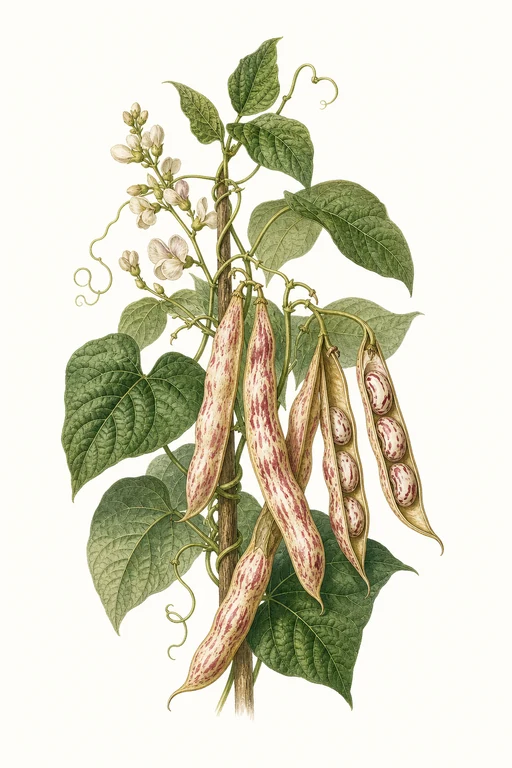
A slow, sunlit harvest of Borlotto Di Vigevano brings a wonderfully creamy, nutty flavor with a signature speckled beauty—each dry bean reveals a warm, rosy blush over a pale ground.
The texture is satisfyingly firm yet tender, ideal for hearty dry-bean staples and richly flavored simmered dishes, where its distinctive character shines. Grow this classic Italian heirloom for a dependable 95-day rhythm and a pantry-worthy bounty that feels as good as it tastes.
Light: Full SunMaturity: 95 DaysHabit: Bush
Crop Dates : 5a
| Milestone | Date |
|---|---|
| Start Indoors | Direct Sow |
| Last Frost | May 8th |
| Transplant / Sow Outdoors | May 8th |
| Harvest Begins | Aug 11th |
| Harvest Ends | Sep 30th |
Crop Details
| Trait | Value |
|---|---|
| Days to Maturity | 95 |
| Sun Requirements | Full Sun |
| Growth Habit | Bush |
| Support Needed | None |
| Planting Depth | Normal |
| Germination Temp (°F) | 60 |
| Min Soil Temp (°F) | 60 |
| Min Night Temp (°F) | 50 |
| Harden Off (days) | Not Required |
Culinary Notes

Chef's Note
A borlotti heirloom with a bean-to-sauce ratio that stays creamy without turning grainy—great when you want the pot liquor to cling to the spoon. Cook low and slow until the skins relax, then lean into olive oil, garlic, and rosemary so the nutty warmth doesn’t get bullied by acidity.

Best Uses
- slow-simmered borlotti-style bean stew with aromatics
- thick purée for crostini or pan-drippings—no need for smoothing with dairy
- batch-cooked beans for salads after a quick vinaigrette soak
- Italian-inspired minestrone or ham-and-bean pot simmer

Flavor Profile

Frequently Asked Questions
Why are my Borlotto Di Vigevano beans getting brown spots or leaves that look “shot through,” and what should I do?
How often should I water Borlotto Di Vigevano during the main growing phase (from flowering onward)?
How can I tell when Borlotto Di Vigevano is ready to harvest for dry beans at ~95 days?
Sowing Tips

Transplant Conditions
Wait until soil reaches 60°F and nights stay above 50°F before moving outdoors.
Expert Note

Direct-sow after soil warms (and nights stay mild) because dry beans hate root disturbance and will lose vigor if transplanted.