
Butler
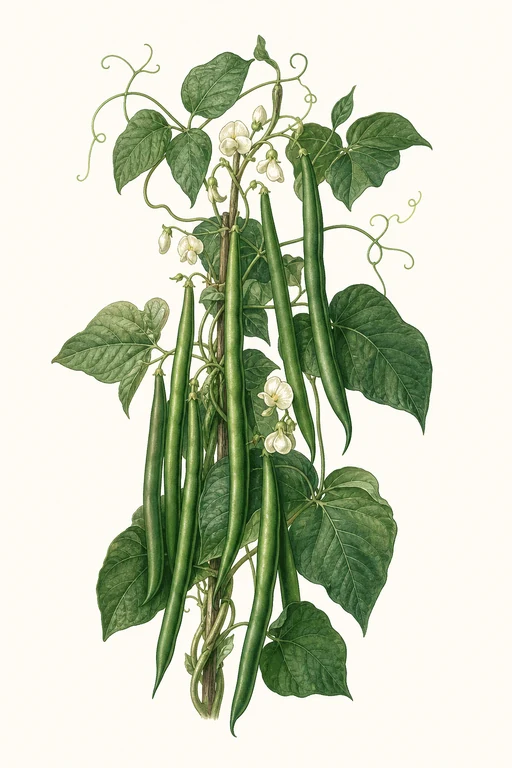
Tender, richly flavored pods arrive with a silken snap—Butler pole bean produces long, straight string beans with a vivid, fresh green sheen and a crisp, juicy bite.
Ideal for gardeners who want steady, repeat harvests, these beans shine in stir-fries, quick sautéing, and roasting, and they also hold their character beautifully in pickles and relishes. Grow Butler for a season-long rhythm of color and texture that turns everyday meals into something special.
Light: Full SunMaturity: 60 DaysHabit: Clumping
Planting schedules and alerts are optimized for Columbus (Zone 6b).
Crop Dates
| Milestone | Date |
|---|---|
| Start Indoors | Direct Sow |
| Last Frost | Apr 25th |
| Transplant / Sow Outdoors | Apr 25th |
| Harvest Begins | Jun 24th |
| Harvest Ends | Oct 16th |
Crop Details
| Trait | Value |
|---|---|
| Days to Maturity | 60 |
| Sun Requirements | Full Sun |
| Growth Habit | Clumping |
| Support Needed | Trellis |
| Planting Depth | Normal |
| Germination Temp (°F) | 75 |
| Min Soil Temp (°F) | 60 |
| Min Night Temp (°F) | 50 |
| Harden Off (days) | Not Required |
Culinary Notes

Chef's Note
Butler pole beans are built for heat without collapsing—those long pods give you a true silken snap, so you want them cooked fast and kept green. They’re especially rewarding with acid (lemon or vinegar) and fat (butter/olive oil), because the flavor stays bright instead of going flat.

Best Uses
- hot-and-fast stir-fries where they should stay snappy
- quick sautéing with garlic and butter for gloss and chew
- roasting at high heat for browned edges without turning tough
- quick pickles/relishes where the pods hold shape and crunch

Flavor Profile

Frequently Asked Questions
How do I prevent and treat bean rust or fungal leaf spots on Phaseolus coccineus (Runner beans) like ‘Butler’?
How often should I water during the main growing phase for Phaseolus coccineus (Runner beans)?
When is ‘Butler’ (Phaseolus coccineus) ready to harvest, and what should the pods look like?
Sowing Tips

Transplant Conditions
Wait until soil reaches 60°F and nights stay above 50°F before moving outdoors.
Expert Note

Sow pole beans directly when soil is warm and keep them evenly watered for straight, stringless pods.