
Cannellini
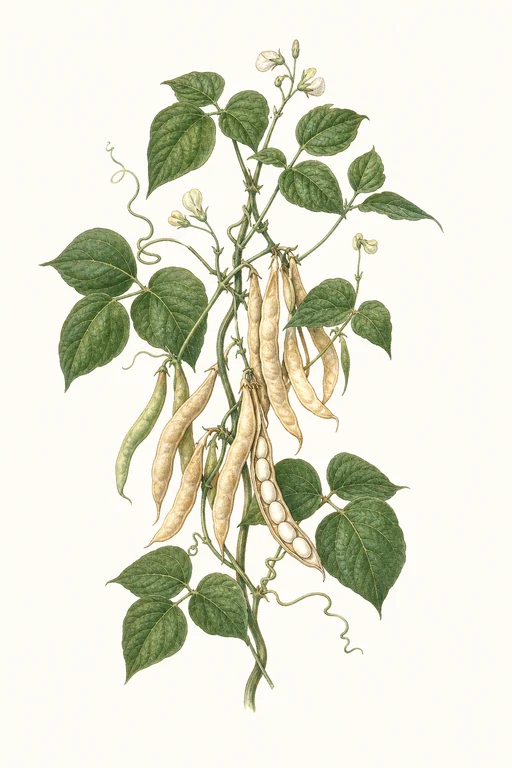
Experience the quiet luxury of Cannellini dry beans—sleek, creamy-white seeds with a refined, nutty depth and a velvety bite once rehydrated.
Their dependable 85-day rhythm rewards gardeners with a generous harvest of uniform, elegant beans that hold their shape beautifully and lend themselves to hearty potfuls and silky purées. Grow Cannellini for a pantry staple you’ll look forward to all season long, from first soak to the final spoonful.
Light: Full SunMaturity: 85 DaysHabit: Upright
Planting schedules and alerts are optimized for Columbus (Zone 6b).
Crop Dates
| Milestone | Date |
|---|---|
| Start Indoors | Direct Sow |
| Last Frost | Apr 25th |
| Transplant / Sow Outdoors | Apr 25th |
| Harvest Begins | Jul 19th |
| Harvest Ends | Oct 16th |
Crop Details
| Trait | Value |
|---|---|
| Days to Maturity | 85 |
| Sun Requirements | Full Sun |
| Growth Habit | Upright |
| Support Needed | None |
| Planting Depth | Normal |
| Germination Temp (°F) | 70 |
| Min Soil Temp (°F) | 60 |
| Min Night Temp (°F) | 50 |
| Harden Off (days) | Not Required |
Culinary Notes

Chef's Note
Cannellini’s creamy rehydrated texture makes it the white-bean equivalent of a well-mannered puree—soft but still intact, so it won’t collapse into gritty starch. Use them in broths and braises where you can skim and season the pot for a spoon that’s plush, not watery.

Best Uses
- slow-braised beans in a thick, spoon-coating pot with aromatics
- silky cannellini purée for crostini or as a base under braised greens
- white bean soup—finish with olive oil and herbs to keep it glossy
- bean salad where they stay tender but not mushy

Flavor Profile

Frequently Asked Questions
What pests or diseases commonly hit Phaseolus vulgaris (cannellini beans), and how do I manage them at home?
How often should I water cannellini beans during their main growth, and what soil moisture level should I maintain?
How can I tell when cannellini beans are ready to harvest?
Sowing Tips

Transplant Conditions
Wait until soil reaches 60°F and nights stay above 50°F before moving outdoors.
Expert Note

Direct sow cannellini after danger of frost and when soil is reliably warm, then keep evenly moist until seedlings emerge.