
Cavolo Nero
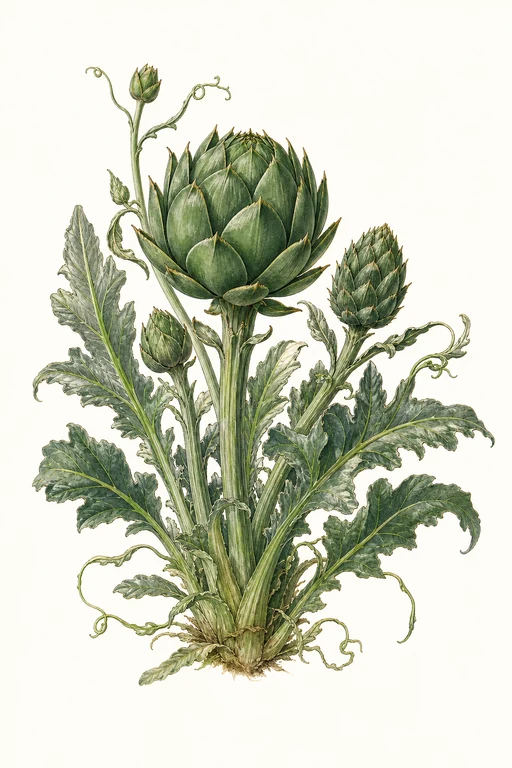
Cavolo Nero (Artichoke) brings a richly savory, artichoke-like allure with a tender, succulent bite and a deep, velvety leaf texture that feels almost satin under the fingers.
As plants mature, the foliage develops an elegant, globe-ready presence—ideal for turning into show-stopping centerpiece dishes, from roasted favorites to hearty sauces and pickled accents. Grow Cavolo Nero for a long-season harvest that rewards patience with bold flavor and beautifully structured greens.
Light: Full SunMaturity: 150 DaysHabit: Clumping
Planting schedules and alerts are optimized for Columbus (Zone 6b).
Crop Dates
| Milestone | Date |
|---|---|
| Start Indoors | Mar 21st |
| Last Frost | Apr 25th |
| Transplant / Sow Outdoors | Apr 18th |
| Harvest Begins | Sep 15th |
| Harvest Ends | Oct 16th |
Crop Details
| Trait | Value |
|---|---|
| Days to Maturity | 150 |
| Sun Requirements | Full Sun |
| Growth Habit | Clumping |
| Support Needed | None |
| Planting Depth | Normal |
| Germination Temp (°F) | 70 |
| Min Soil Temp (°F) | 45 |
| Min Night Temp (°F) | 35 |
| Harden Off (days) | 6 |
Culinary Notes

Chef's Note
Think of Cavolo Nero as a brassica that eats like it wants to be treated like artichoke—deeply savory, with a satin leaf texture that turns silky when gently cooked. Roast hard enough to bronzing the edges or braise low and slow; it carries lemon, garlic, and salty anchovy without collapsing.

Best Uses
- olive-oil roasted leaves that crisp at the edges
- slow-simmered braise (with garlic/stock) for spoonable, spoon-thick greens
- chopped into a hearty gratin or pasta where it holds shape
- quick pickling of trimmed leaves/heart for tangy, briny crunch

Flavor Profile

Frequently Asked Questions
What pest or disease most often affects Cynara scolymus (cavolo nero), and what should I do first?
How often should I water Cynara scolymus during its main growing phase?
How can I tell when cavolo nero is ready to harvest?
Sowing Tips

Transplant Conditions
Wait until soil reaches 45°F and nights stay above 35°F before moving outdoors. Harden off for 6 days first.
Expert Note

Start seeds indoors for a head start, but transplant only when nights are safely mild (cold snaps can reduce bud quality).