
Cherokee Trail Of Tears
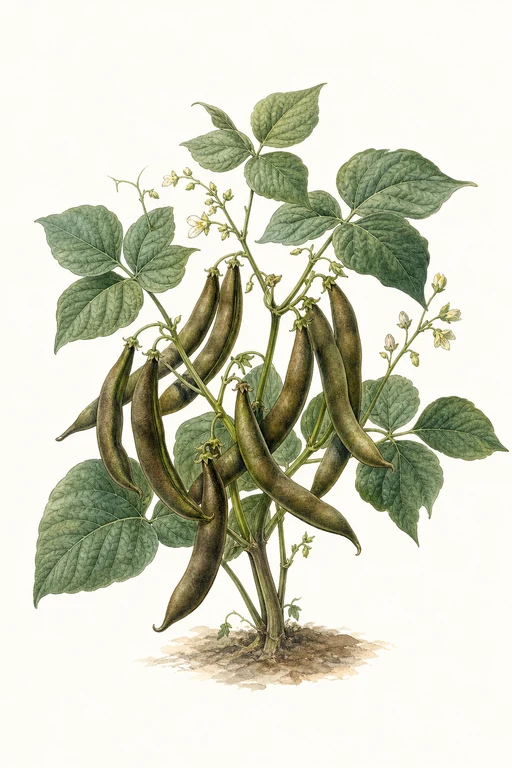
Sink your spoon into the lush, velvety richness of Cherokee Trail Of Tears beans—pods that develop a deep, earthy character and a satisfyingly firm bite.
As they mature, the plants carry a steady harvest of bush beans with a clean, meaty texture that holds its shape beautifully for bold, flavor-forward dishes, from roasting to hearty skillet fare and savory sauces. Grow them for a dependable, garden-to-table abundance that tastes as storied as its name.
Light: Full SunMaturity: 95 DaysHabit: Bush
Planting schedules and alerts are optimized for Columbus (Zone 6b).
Crop Dates
| Milestone | Date |
|---|---|
| Start Indoors | Direct Sow |
| Last Frost | Apr 25th |
| Transplant / Sow Outdoors | Apr 25th |
| Harvest Begins | Jul 29th |
| Harvest Ends | Oct 16th |
Crop Details
| Trait | Value |
|---|---|
| Days to Maturity | 95 |
| Sun Requirements | Full Sun |
| Growth Habit | Bush |
| Support Needed | None |
| Planting Depth | Normal |
| Germination Temp (°F) | 60 |
| Min Soil Temp (°F) | 60 |
| Min Night Temp (°F) | 45 |
| Harden Off (days) | Not Required |
Culinary Notes

Chef's Note
Cherokee Trail Of Tears beans cook up with a firm, meatlike texture that doesn’t slump, making them ideal for high-heat roasting or a fast sauté where you want a confident bite. Pair them with smoke, fat, and a little acid—think bacon, butter, lemon—to sharpen that earthy sweetness into something you keep reaching for.

Best Uses
- roasting to concentrate sugars with crisped edges
- quick skillet sauté with butter and black pepper (pods stay snappy)
- chopped into hearty soups and stews where they hold their shape
- blistered/charred bean sides for smoky, almost nutty flavor

Flavor Profile

Frequently Asked Questions
What pest or disease commonly affects Phaseolus vulgaris (bush bean) like Cherokee Trail Of Tears, and how can I control it?
How often should I water Phaseolus vulgaris during the main growing phase for best growth and pod fill?
How do I know when Cherokee Trail Of Tears (Phaseolus vulgaris) is ready to harvest?
Sowing Tips

Transplant Conditions
Wait until soil reaches 60°F and nights stay above 45°F before moving outdoors.
Expert Note

Direct-sow after soil warms and keep evenly moist early to get uniform stands, then let pods mature fully for the best dried-bean flavor.