
Chinese Giant Orange
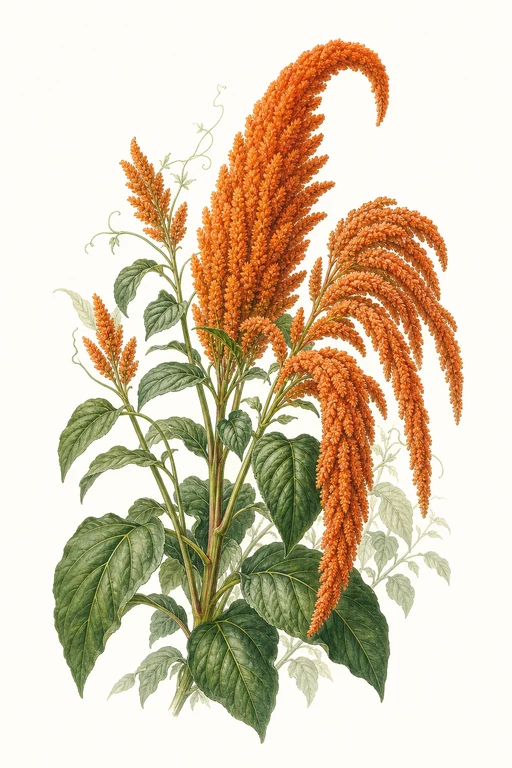
Sink your senses into Chinese Giant Orange’s luminous, sunset-bright plumes—an amaranth that glows in the garden with warm orange-gold drama.
At maturity, the tender leaves offer a pleasantly earthy, mild bite with a succulent, velvety texture, while the abundant flower heads deliver a rich, grainy depth beloved for colorful, showy preparations. Grow it for bold harvests of both foliage and striking inflorescences, ideal for vibrant sauces, roasting-style flavoring, and festive pickling accents that keep their golden character.
Light: Full SunMaturity: 90 DaysHabit: Upright
Planting schedules and alerts are optimized for Columbus (Zone 6b).
Crop Dates
| Milestone | Date |
|---|---|
| Start Indoors | Direct Sow |
| Last Frost | Apr 25th |
| Transplant / Sow Outdoors | Apr 25th |
| Harvest Begins | Jul 24th |
| Harvest Ends | Oct 16th |
Crop Details
| Trait | Value |
|---|---|
| Days to Maturity | 90 |
| Sun Requirements | Full Sun |
| Growth Habit | Upright |
| Support Needed | None |
| Planting Depth | Surface |
| Germination Temp (°F) | 70 |
| Min Soil Temp (°F) | 60 |
| Min Night Temp (°F) | 50 |
| Harden Off (days) | Not Required |
Culinary Notes

Chef's Note
Chinese Giant Orange leans mild and tender in the leaves, but the flower heads bring a distinct toasted, grainy character—think somewhere between cereal and nut. Use the leaves like delicate greens, and treat the inflorescences like a crunchy, savory garnish that stays bright under acid and heat.

Best Uses
- quick sauté or steam-and-serve greens with a glossy finish
- roast the flower heads for a toasted, cereal-like crunch in salads
- blend into warm, golden-green sauces or thickened purées
- pickled inflorescences for festive, tangy pops of orange-gold

Flavor Profile

Frequently Asked Questions
What pests or diseases commonly affect Amaranthus cruentus (Chinese Giant Orange), and how can I control them?
How often should I water Chinese Giant Orange during the main growing phase?
How do I know when Amaranthus cruentus is ready to harvest?
Sowing Tips

Transplant Conditions
Wait until soil reaches 60°F and nights stay above 50°F before moving outdoors.
Expert Note

Direct-sow after soil warms and keep the stand well weeded early—these tall, heavy-seeding types need early competition control for maximum grain yield.