
Christmas Lima Bean
Sweet, creamy beans with a festive, holiday-ready look—Christmas Lima Bean delivers tender, buttery flavor and a velvety bite that feels made for the first spoonful.
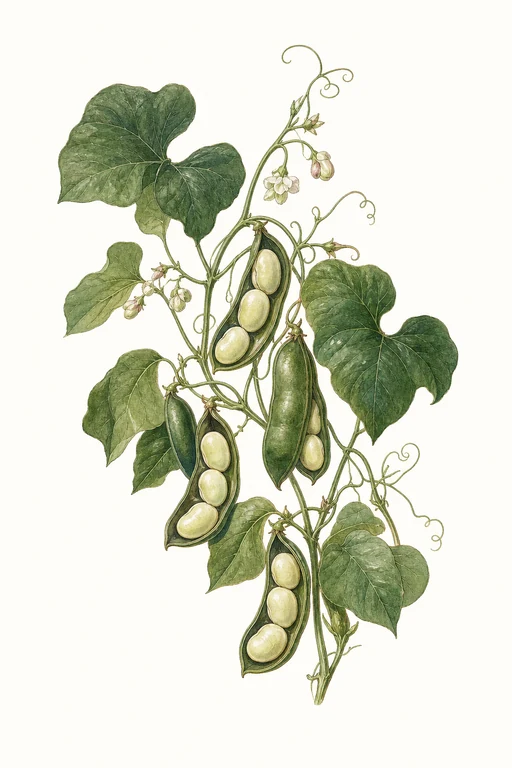
Pods mature to a richly festive presence, and the seeds develop into plump, pale-green to cream kernels that cook up luxuriously soft. Grow this Lima Bean for comforting potfuls, hearty purées, and spoonable sides that celebrate the season from garden to table.
Light: Full SunMaturity: 90 DaysHabit: Bush
Planting schedules and alerts are optimized for Columbus (Zone 6b).
Crop Dates
| Milestone | Date |
|---|---|
| Start Indoors | Direct Sow |
| Last Frost | Apr 25th |
| Transplant / Sow Outdoors | Apr 25th |
| Harvest Begins | Jul 24th |
| Harvest Ends | Oct 16th |
Crop Details
| Trait | Value |
|---|---|
| Days to Maturity | 90 |
| Sun Requirements | Full Sun |
| Growth Habit | Bush |
| Support Needed | Trellis |
| Planting Depth | Normal |
| Germination Temp (°F) | 70 |
| Min Soil Temp (°F) | 60 |
| Min Night Temp (°F) | 50 |
| Harden Off (days) | Not Required |
Culinary Notes

Chef's Note
Christmas Lima Bean cooks up with a plush, creamy center that doesn’t need much coaxing—just enough heat to smooth out the starchy interior. Treat them like a spoon-food: braise or purée with fat and aromatics, then brighten at the end with lemon so the sweetness stays singing.

Best Uses
- buttery pot of limas—cook until barely tender, then finish with a knob of butter
- thick, smooth purée (like a rustic spread) with a little cooking liquid to loosen
- slow-braised beans in pork fat or stock until they turn luxuriously soft
- warm bean salad where limas hold their creamy bite under vinaigrette

Flavor Profile

Frequently Asked Questions
What pest or disease most commonly affects Phaseolus lunatus (Christmas Lima Bean), and how can I prevent it?
How often should I water Christmas Lima Bean during the main growing phase, and what soil moisture level should I keep?
How do I know when Christmas Lima Bean (Phaseolus lunatus) is ready to harvest?
Sowing Tips

Transplant Conditions
Wait until soil reaches 60°F and nights stay above 50°F before moving outdoors.
Expert Note

For best flavor, keep the soil consistently moist until plants establish, then water moderately and harvest pods when seeds are fully developed for dry-bake/ soup beans.