
Christmas Lima
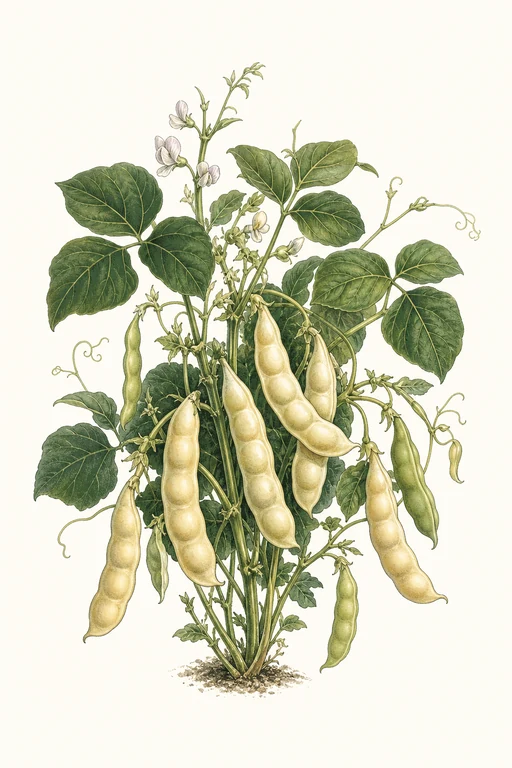
Sweetly fragrant at harvest, Christmas Lima brings a creamy, buttery richness with a gentle, nutty finish—beans that feel velvety and substantial in the pod.
The mature seeds develop a festive, holiday-ready look while holding their shape beautifully, making them a favorite for hearty, spoonable dishes and comforting purées. Grow this classic market lima for dependable performance and a satisfying harvest you’ll look forward to all season long.
Light: Full SunMaturity: 90 DaysHabit: Vine
Planting schedules and alerts are optimized for Columbus (Zone 6b).
Crop Dates
| Milestone | Date |
|---|---|
| Start Indoors | Direct Sow |
| Last Frost | Apr 25th |
| Transplant / Sow Outdoors | Apr 25th |
| Harvest Begins | Jul 24th |
| Harvest Ends | Oct 16th |
Crop Details
| Trait | Value |
|---|---|
| Days to Maturity | 90 |
| Sun Requirements | Full Sun |
| Growth Habit | Vine |
| Support Needed | Trellis |
| Planting Depth | Normal |
| Germination Temp (°F) | 70 |
| Min Soil Temp (°F) | 60 |
| Min Night Temp (°F) | 50 |
| Harden Off (days) | Not Required |
Culinary Notes

Chef's Note
Christmas Lima’s mature seeds go tender with a velvety, buttery mouthfeel, so they love low-and-slow heat where they can drink in stock and fat. Use citrus late to keep them bright, and they’ll reward you with spoonable comfort that doesn’t collapse into mush.

Best Uses
- slow-simmered succotash-style beans that stay spoonable
- thick purée for a silky side or bean “mashed” base
- braises or stews where the beans soak up fat and stock without turning grainy
- simple pan-cooked beans finished with herbs and a squeeze of citrus

Flavor Profile

Frequently Asked Questions
What pest or disease issue commonly affects Phaseolus lunatus (Christmas lima beans), and how can I fix it?
How often should I water Christmas lima beans (Phaseolus lunatus) during the main growing phase?
When are Christmas lima beans (Phaseolus lunatus) ready to harvest?
Sowing Tips

Transplant Conditions
Wait until soil reaches 60°F and nights stay above 50°F before moving outdoors.
Expert Note

Christmas Lima is a warm-season pole bean—direct sow after soil warms and avoid transplanting to protect the root system.