
Christmas
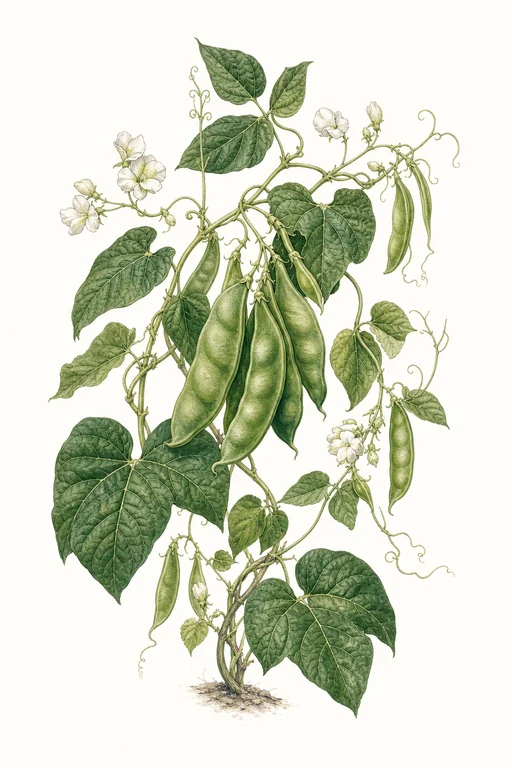
A festive harvest with a rich, creamy allure—Christmas lima beans develop into plump, tender pods that yield smooth, buttery kernels with a gently sweet, nutty depth.
The texture is luxuriously velvety once cooked, making these beans a standout for hearty bowls, comforting purées, and spoonable sauces. Grow Christmas for a long, satisfying season and a dependable, garden-to-table bounty that feels like a holiday tradition in every scoop.
Light: Full SunMaturity: 95 DaysHabit: Climbing
Planting schedules and alerts are optimized for Columbus (Zone 6b).
Crop Dates
| Milestone | Date |
|---|---|
| Start Indoors | Direct Sow |
| Last Frost | Apr 25th |
| Transplant / Sow Outdoors | Apr 25th |
| Harvest Begins | Jul 29th |
| Harvest Ends | Oct 16th |
Crop Details
| Trait | Value |
|---|---|
| Days to Maturity | 95 |
| Sun Requirements | Full Sun |
| Growth Habit | Climbing |
| Support Needed | Trellis |
| Planting Depth | Normal |
| Germination Temp (°F) | 70 |
| Min Soil Temp (°F) | 60 |
| Min Night Temp (°F) | 50 |
| Harden Off (days) | Not Required |
Culinary Notes

Chef's Note
Christmas lima beans cook into kernels that go genuinely silky—less grainy, more custardy—so they deserve a hot spoon rather than a tossed-on salad. Use them with salty fat (bacon or parmesan) and a hit of lemon to keep the sweetness bright instead of heavy.

Best Uses
- butter-slick purée or smash for spoonable sides
- hearty lima-bean stew with a slow, starchy body
- creamier-than-average bean salads where they hold their tenderness
- thickening beans for rustic soups and ragù-style sauces

Flavor Profile

Frequently Asked Questions
Christmas Lima bean (Phaseolus lunatus) — what pest or disease problem is most common and how do I treat it?
How often should I water Christmas Lima beans during the main growing phase (after germination)?
When are Christmas Lima beans (Phaseolus lunatus) ready to harvest?
Sowing Tips

Transplant Conditions
Wait until soil reaches 60°F and nights stay above 50°F before moving outdoors.
Expert Note

Soak seeds overnight and plant after soil warms—pole limas don’t transplant well due to root disturbance, so direct sow is the most reliable approach.