
Classic Artistic Mix
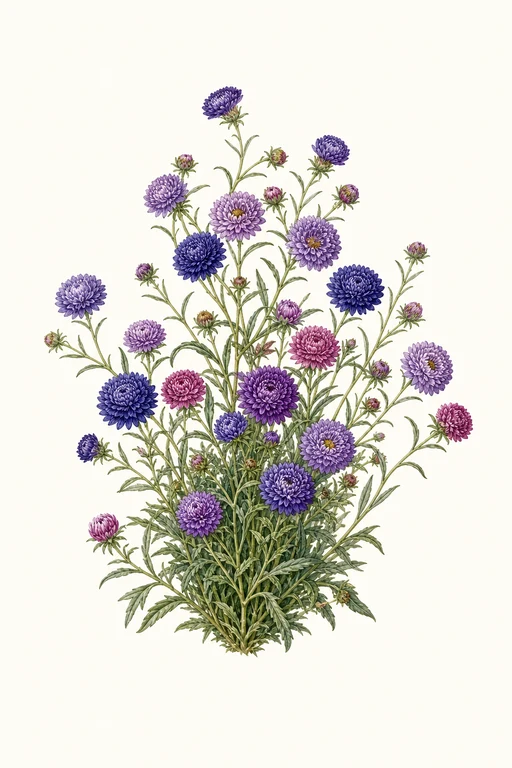
Delightfully vivid and richly petaled, Classic Artistic Mix blooms in a painter’s palette of blues, purples, and warm pinks, with a crisp, satiny sheen that catches the light from morning through dusk.
The flowers hold their shape beautifully on sturdy stems, offering a satisfying, slightly firm texture in the garden that feels as refined as it looks. Grow this mix for standout color beds and borders, and for long-lasting blooms that shine in arrangements and dried displays.
Light: Full SunMaturity: 70 DaysHabit: Upright
Planting schedules and alerts are optimized for Columbus (Zone 6b).
Crop Dates
| Milestone | Date |
|---|---|
| Start Indoors | Direct Sow |
| Last Frost | Apr 25th |
| Transplant / Sow Outdoors | Apr 25th |
| Harvest Begins | Jul 4th |
| Harvest Ends | Oct 16th |
Crop Details
| Trait | Value |
|---|---|
| Days to Maturity | 70 |
| Sun Requirements | Full Sun |
| Growth Habit | Upright |
| Support Needed | None |
| Planting Depth | Normal |
| Germination Temp (°F) | 70 |
| Min Soil Temp (°F) | 50 |
| Min Night Temp (°F) | 35 |
| Harden Off (days) | Not Required |
Culinary Notes

Chef's Note
These bachelor’s button petals bring a crisp snap and a cool, faintly peppery floral note—great when you want the bloom visible, not wilted into nothing. They’re at their best as a finishing garnish where their satiny texture stays intact and the flavor stays light.

Best Uses
- use petals as a high-contrast garnish on salads and chilled mezze
- fold into finishing oils or herb butter for color-forward plating
- toss through light grain salads where the petals stay snappy
- cap cocktails or crown simple yogurt/ricotta bowls for a clean floral pop

Flavor Profile

Frequently Asked Questions
What pest or disease commonly affects Centaurea cyanus (cornflower), and how can I control it?
How often should I water Centaurea cyanus during the main growing phase?
How do I know when to harvest Centaurea cyanus flowers?
Sowing Tips

Transplant Conditions
Wait until soil reaches 50°F and nights stay above 35°F before moving outdoors.
Expert Note

For best blooms, sow in place in cool weather and thin to stand back in full sun for sturdy, long-lasting cut flowers.