
Classic Romantic
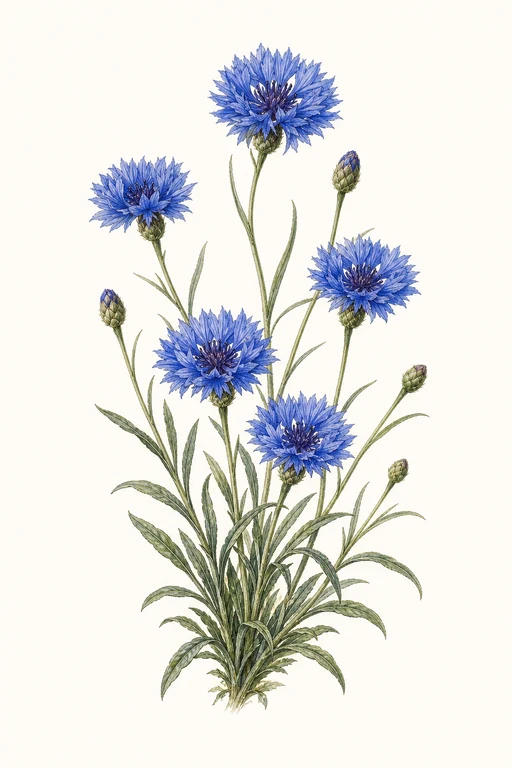
Velvety cornflower blooms open in a classic romantic cadence, their petals a saturated sky-blue with a soft, powdery sheen that feels almost luminous against the garden’s green.
Classic Romantic forms sturdy, upright stems topped with abundant, long-lasting flowers—ideal for fresh bouquets and dried arrangements, with a delightful texture that holds its shape beautifully. Grow it for a bold splash of color from early summer through the heart of the season, and enjoy the effortless charm it brings to borders and cottage-style beds.
Light: Full SunMaturity: 70 DaysHabit: Upright
Planting schedules and alerts are optimized for Columbus (Zone 6b).
Crop Dates
| Milestone | Date |
|---|---|
| Start Indoors | Direct Sow |
| Last Frost | Apr 25th |
| Transplant / Sow Outdoors | Apr 25th |
| Harvest Begins | Jul 4th |
| Harvest Ends | Oct 16th |
Crop Details
| Trait | Value |
|---|---|
| Days to Maturity | 70 |
| Sun Requirements | Full Sun |
| Growth Habit | Upright |
| Support Needed | None |
| Planting Depth | Surface |
| Germination Temp (°F) | 65 |
| Min Soil Temp (°F) | 40 |
| Min Night Temp (°F) | 40 |
| Harden Off (days) | Not Required |
Culinary Notes

Chef's Note
Cornflower petals are delicate but not flavorless—use them where their sky-blue color can lead, and let the mild sweetness plus peppery finish do the talking. They hold up best as a garnish, infusion, or quick syrup/pickle rather than long cooking, where the texture turns papery.

Best Uses
- floating fresh petals on lemony drinks and spritzes
- treating as a high-visibility edible garnish for salads and composed plates
- folding into light syrups or quick pickles to stain and perfume
- drying petals for crunchy, color-forward topping on yogurt or panna cotta

Flavor Profile

Frequently Asked Questions
What pest or disease problem commonly affects Centaurea cyanus (cornflower), and what should I do?
How often should I water Centaurea cyanus during its main growing phase?
How can I tell when Centaurea cyanus is ready to harvest?
Sowing Tips

Transplant Conditions
Wait until soil reaches 40°F and nights stay above 40°F before moving outdoors.
Expert Note

For best blooms, sow and keep evenly moist early on, then avoid disturbing roots once seedlings establish.