
Common Sage
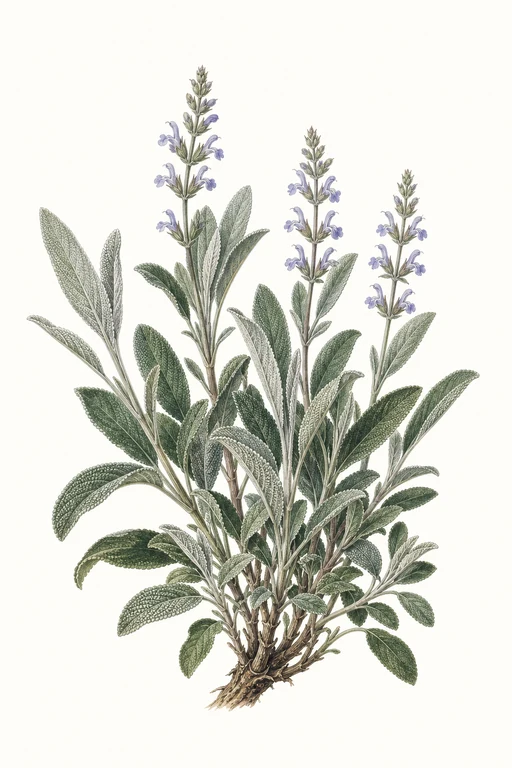
Velvety, silvery-gray leaves unfurl with a cool, resinous perfume—earthy yet bright, like a green breeze over warm stone.
Common Sage forms upright, woody clumps with softly fuzzy foliage that holds its shape beautifully, offering a concentrated aroma whether you gather a few sprigs or harvest more generously. Ideal for drying and for flavoring sauces, roasted vegetables, and hearty braises, it’s a perennial staple that rewards patient gardeners with steady, aromatic harvests year after year.
Light: Full SunMaturity: 70 DaysHabit: Upright
Location not set yet
Location not set yet
Enter your ZIP for local crop dates
Common Sage Planting Dates by USDA Zone
Estimated US hardiness-zone windows for sow, transplant, and harvest. Enter a US ZIP above for exact local dates, or open a zone below.
| Zone | Start Indoors | Sow / Transplant | Harvest |
|---|---|---|---|
| Zone 1a | May 4th | Jun 29th | Sep 7th – Jul 15th |
| Zone 1b | Apr 20th | Jun 15th | Aug 24th – Aug 1st |
| Zone 2a | Apr 13th | Jun 8th | Aug 17th – Aug 29th |
| Zone 2b | Apr 3rd | May 29th | Aug 7th – Aug 25th |
| Zone 3a | Apr 3rd | May 29th | Aug 7th – Sep 1st |
| Zone 3b | Apr 7th | Jun 2nd | Aug 11th – Sep 21st |
| Zone 4a | Apr 3rd | May 29th | Aug 7th – Sep 24th |
| Zone 4b | Apr 1st | May 27th | Aug 5th – Sep 27th |
| Zone 5a | Mar 27th | May 22nd | Jul 31st – Sep 30th |
| Zone 5b | Mar 23rd | May 18th | Jul 27th – Oct 5th |
| Zone 6a | Mar 20th | May 15th | Jul 24th – Oct 10th |
| Zone 6b | Mar 14th | May 9th | Jul 18th – Oct 16th |
| Zone 7a | Mar 9th | May 4th | Jul 13th – Oct 20th |
| Zone 7b | Feb 27th | Apr 24th | Jul 3rd – Oct 28th |
| Zone 8a | Feb 18th | Apr 15th | Jun 24th – Nov 5th |
| Zone 8b | Feb 9th | Apr 6th | Jun 15th – Nov 12th |
| Zone 9a | Jan 23rd | Mar 20th | May 29th – Nov 26th |
| Zone 9b | Dec 29th | Feb 23rd | May 4th – Dec 9th |
| Zone 10a | — | Oct 1st | Dec 10th – Feb 28th |
| Zone 10b | — | Oct 1st | Dec 10th – Feb 28th |
| Zone 11a | — | Oct 1st | Dec 10th – Feb 28th |
| Zone 11b | — | Oct 1st | Dec 10th – Feb 28th |
| Zone 12a | — | Oct 1st | Dec 10th – Feb 28th |
| Zone 12b | — | Oct 1st | Dec 10th – Feb 28th |
| Zone 13a | — | Oct 1st | Dec 10th – Feb 28th |
| Zone 13b | — | Oct 1st | Dec 10th – Feb 28th |
Crop Details
| Trait | Value |
|---|---|
| Days to Maturity | 70 |
| Sun Requirements | Full Sun |
| Growth Habit | Upright |
| Support Needed | None |
| Planting Depth | Normal |
| Germination Temp (°F) | 70 |
| Min Soil Temp (°F) | 45 |
| Min Night Temp (°F) | 40 |
| Harden Off (days) | 7 |
Culinary Notes

Chef's Note
Common sage is a powerhouse herb: its cool, resinous aroma blooms fast in fat and can turn bitter if you overcook it. Use it to perfume butter, pork, and roasted vegetables—then treat it like a seasoning you remove or mellow, not a long-boiled vegetable.

Best Uses
- rub into roasted poultry or pork skin for a crisp, savory aroma
- tear into browned-butter sauces and let it perfume as it warms (no long simmering)
- drop sprigs into braises and stocks to season the liquid, then remove
- dry for winter stews, keeping its smoky-green character intact

Flavor Profile

Frequently Asked Questions
Why are my Salvia officinalis leaves turning black or getting powdery, and what should I do?
How often should I water Salvia officinalis during active growth?
How can I tell when my Salvia officinalis is ready to harvest (about 70 days)?
Sowing Tips

Transplant Conditions
Wait until soil reaches 45°F and nights stay above 40°F before moving outdoors. Harden off for 7 days first.
Expert Note

Start sage indoors early, then harden off well and transplant into dry, well-drained soil for best flavor and fewer fungal issues.