
Contender
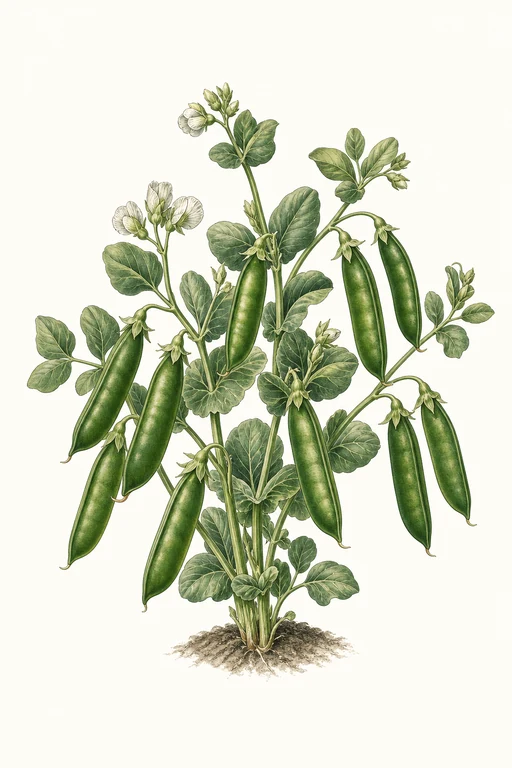
Tender, stringless pods of Contender arrive with a crisp, juicy snap and a rich, classic green color that looks as good as it tastes.
The beans hold their sweetness and fine texture through harvest, making them ideal for quick, reliable picking in the garden—whether you’re enjoying them straight from the plant or using them to brighten sautés, skillet dishes, and vibrant sauces. Contender’s compact bush habit keeps plants tidy and productive, so you can fill the basket with confidence in about 50 days.
Light: Full SunMaturity: 50 DaysHabit: Bush
Planting schedules and alerts are optimized for Columbus (Zone 6b).
Crop Dates
| Milestone | Date |
|---|---|
| Start Indoors | Direct Sow |
| Last Frost | Apr 25th |
| Transplant / Sow Outdoors | Apr 25th |
| Harvest Begins | Jun 14th |
| Harvest Ends | Oct 16th |
Crop Details
| Trait | Value |
|---|---|
| Days to Maturity | 50 |
| Sun Requirements | Full Sun |
| Growth Habit | Bush |
| Support Needed | None |
| Planting Depth | Normal |
| Germination Temp (°F) | 70 |
| Min Soil Temp (°F) | 55 |
| Min Night Temp (°F) | 50 |
| Harden Off (days) | Not Required |
Culinary Notes

Chef's Note
Contender beans hit the sweet spot for fast cooking: they stay crisp and juicy without turning mealy or stringy. Use them like a cooking “accent”—they should arrive at the plate with snap, then fade into butter-lemon gloss or a garlicky stir-fry without losing their green sheen.

Best Uses
- high-heat sauté with garlic until blistered but still crisp
- steaming then tossing with butter and lemon zest
- stir-fry where pods stay glossy and hold their shape
- quick pickle or “fridge” brine for crisp tangy beans

Flavor Profile

Frequently Asked Questions
What pest or disease commonly affects Phaseolus vulgaris (common bean) and how can I control it?
How often should I water Phaseolus vulgaris during the main growing phase?
How do I tell when Phaseolus vulgaris ‘Contender’ is ready to harvest?
Sowing Tips

Transplant Conditions
Wait until soil reaches 55°F and nights stay above 50°F before moving outdoors.
Expert Note

Direct-sow once soil warms and stay consistent with watering to keep bush beans fast and tender.