
Creme De Mint
A bright, sunlit perfume leads the way with Creme De Mint—lemon-thyme fragrance that feels crisp and uplifting, with a gentle, minty lift on the finish.
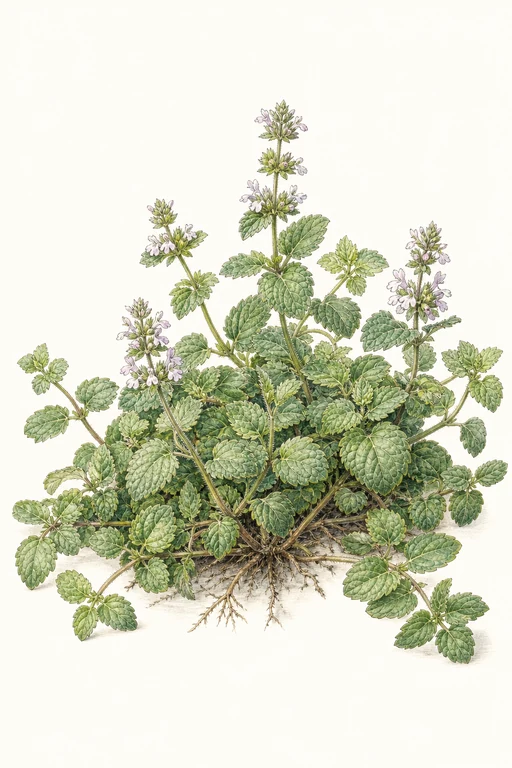
The leaves are small and finely textured, forming a tidy, aromatic mat that’s especially prized for fresh use and for stirring into herb-forward blends, sauces, and marinades. Grow it for its vivid, garden-to-table presence and its quick, dependable 30-day turnaround to flavorful harvests.
Light: Full SunMaturity: 30 DaysHabit: Upright
Planting schedules and alerts are optimized for Columbus (Zone 6b).
Crop Dates
| Milestone | Date |
|---|---|
| Start Indoors | Mar 14th |
| Last Frost | Apr 25th |
| Transplant / Sow Outdoors | Apr 25th |
| Harvest Begins | May 25th |
| Harvest Ends | Oct 16th |
Crop Details
| Trait | Value |
|---|---|
| Days to Maturity | 30 |
| Sun Requirements | Full Sun |
| Growth Habit | Upright |
| Support Needed | None |
| Planting Depth | Normal |
| Germination Temp (°F) | 70 |
| Min Soil Temp (°F) | 50 |
| Min Night Temp (°F) | 35 |
| Harden Off (days) | 7 |
Culinary Notes

Chef's Note
Creme De Mint (lemon thyme) tastes like sunshine with a clean, cool edge—small leaves stay fragrant without turning woody. Use it fresh or added late so the lemon perfume doesn’t dull and the mint lift still shows up on the finish.

Best Uses
- fresh-chopped into vinaigrettes and yogurt sauces
- stir into marinades for chicken, lamb, or shrimp
- fold at the end into pan sauces to keep the citrus perfume intact
- steep into light syrups or herb teas for cocktails and spritzes

Flavor Profile

Frequently Asked Questions
What pest or disease problem should I watch for on Thymus citriodorus (lemon thyme), and what should I do first?
How often should I water lemon thyme during its main growth phase?
How can I tell when Thymus citriodorus is ready to harvest (it’s about 30 days to maturity)?
Sowing Tips

Transplant Conditions
Wait until soil reaches 50°F and nights stay above 35°F before moving outdoors. Harden off for 7 days first.
Expert Note

Start thyme indoors lightly and avoid overwatering—its success is mostly from fast drainage and warm soil.