
Diamant
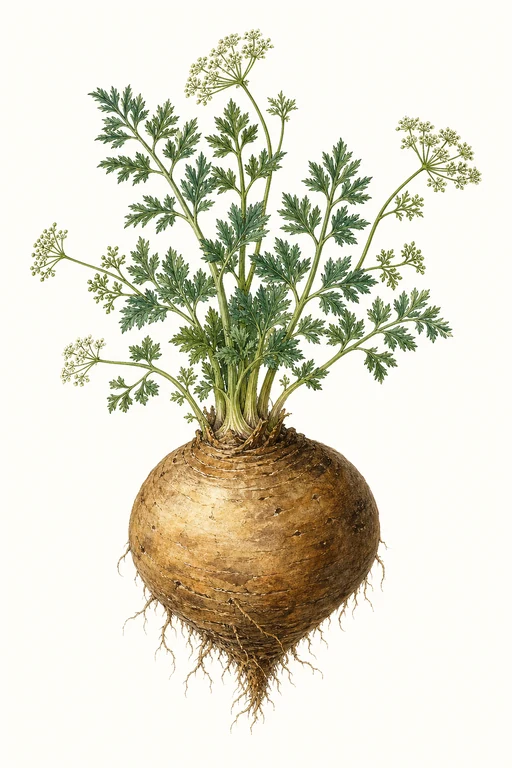
Sink your senses into Diamant’s richly aromatic, earthy-sweet celeriac—its flesh is creamy and fine-grained, with a crisp, dense bite that holds beautifully.
At maturity, this dependable market-class selection forms a well-rounded crown with smooth, attractive skin and a clean, uniform shape that’s a joy to handle and showcase. Grow Diamant for standout flavor in bold roasts, silky purées, and elegant gratins, or for crisp, refreshing preparations that highlight its distinctive celery depth.
Light: Part SunMaturity: 115 DaysHabit: Upright
Planting schedules and alerts are optimized for Columbus (Zone 6b).
Crop Dates
| Milestone | Date |
|---|---|
| Start Indoors | Feb 28th |
| Last Frost | Apr 25th |
| Transplant / Sow Outdoors | Apr 18th |
| Harvest Begins | Aug 11th |
| Harvest Ends | Oct 16th |
Crop Details
| Trait | Value |
|---|---|
| Days to Maturity | 115 |
| Sun Requirements | Part Sun |
| Growth Habit | Upright |
| Support Needed | None |
| Planting Depth | Normal |
| Germination Temp (°F) | 70 |
| Min Soil Temp (°F) | 45 |
| Min Night Temp (°F) | 40 |
| Harden Off (days) | 7 |
Culinary Notes

Chef's Note
Diamant celeriac is built for heat: its creamy interior purées smooth without turning grainy, while the dense bite stays intact for roasting and gratin slicing. Pair it with buttery richness and sharp acid (mustard, lemon) to keep that earthy-sweet celery aroma bright, not muddy.

Best Uses
- thick roasts or pan-sears where the dense interior holds structure
- silky purées (especially when blended with butter/cream)
- gratinues or baked cream-thick slices that benefit from a tight slice
- raw or lightly dressed slaws for a celery-like crunch

Flavor Profile

Frequently Asked Questions
What pest or disease commonly affects celeriac (Apium graveolens var. rapaceum) and what should I do?
How often should I water celeriac during its main growth phase?
How can I tell when celeriac is ready to harvest?
Sowing Tips

Transplant Conditions
Wait until soil reaches 45°F and nights stay above 40°F before moving outdoors. Harden off for 7 days first.
Expert Note

For Diamant celeriac, start indoors early and keep seedlings evenly moist so the swollen stems develop before summer heat drives woody growth.