
Dragon Langerie
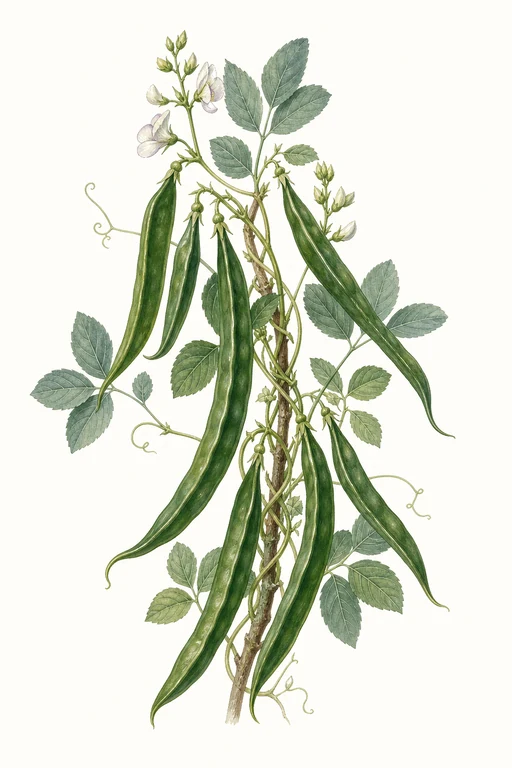
Unfurling in the garden with a silken, glossy allure, Dragon Langerie produces tender beans that feel crisp and refined at first bite—vivid, elongated pods with a graceful, ribbon-like curve.
Their flavor is bright and sweet, with a clean snap that holds beautifully for fresh enjoyment and quick skillet-style roasting, as well as vibrant additions to sauces and pickling brines. Grow them for a steady, satisfying harvest beginning around 50 days, when the plants reward your care with a parade of elegant pods.
Light: Full SunMaturity: 50 DaysHabit: Bush
Crop Dates : 8a
| Milestone | Date |
|---|---|
| Start Indoors | Direct Sow |
| Last Frost | Apr 1st |
| Transplant / Sow Outdoors | Apr 1st |
| Harvest Begins | May 21st |
| Harvest Ends | Nov 5th |
Crop Details
| Trait | Value |
|---|---|
| Days to Maturity | 50 |
| Sun Requirements | Full Sun |
| Growth Habit | Bush |
| Support Needed | None |
| Planting Depth | Normal |
| Germination Temp (°F) | 75 |
| Min Soil Temp (°F) | 60 |
| Min Night Temp (°F) | 50 |
| Harden Off (days) | Not Required |
Culinary Notes

Chef's Note
These tender, elongated beans are built for heat-short cooking: they snap cleanly without turning starchy, even when you chase a little blister. When you want that crisp, ribbon-like mouthfeel—finish with lemon and plenty of fat so the sweetness reads loud, not dulled.

Best Uses
- quick skillet-roasting with high heat for blistered edges
- tossing into cold salads that need a firm, non-wilty crunch
- pickling brines where the bean holds shape and stays snappy
- folding into light pan sauces to stay crisp (add late)

Flavor Profile

Frequently Asked Questions
What pest or disease most often affects Phaseolus vulgaris (common bean) like Dragon Langerie, and how can I prevent it?
During the main growing phase, how often should I water Phaseolus vulgaris, and what soil moisture level should I keep?
How do I tell when Dragon Langerie beans are ready to harvest?
Sowing Tips

Transplant Conditions
Wait until soil reaches 60°F and nights stay above 50°F before moving outdoors.
Expert Note

For best pod set, keep soil evenly moist until flowering, then water steadily but avoid soaking leaves to reduce fungal issues.