
Dragon Tongue
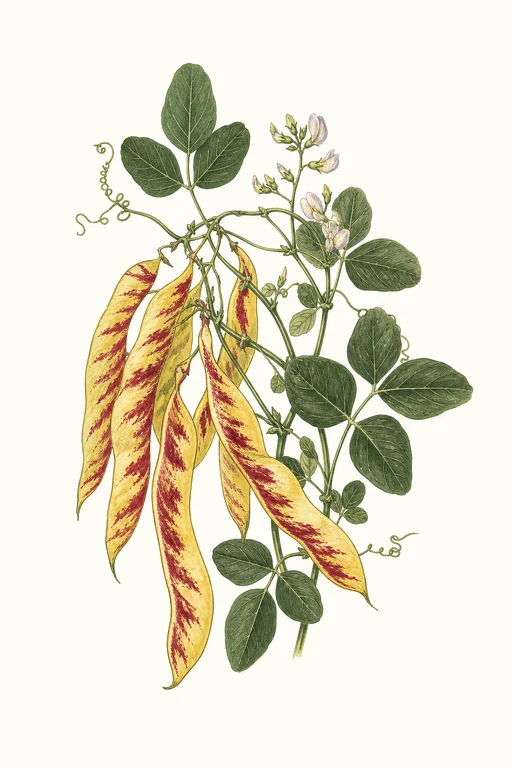
Savory-sweet and vividly colored, Dragon Tongue bush beans unfurl in striking, ribbon-like pods—deep green with warm golden striping that glows in the garden.
Tender and crisp when young, they deliver a delicate, nutty bean flavor that shines in fresh salads and quick sautés, and they also hold their shape beautifully for pickling and preserves. Grow them for a harvest that feels as rewarding as it looks: abundant pods, steady performance, and a distinctive look you’ll want to show off at every picking.
Light: Full SunMaturity: 55 DaysHabit: Bush
Planting schedules and alerts are optimized for Columbus (Zone 6b).
Crop Dates
| Milestone | Date |
|---|---|
| Start Indoors | Direct Sow |
| Last Frost | Apr 25th |
| Transplant / Sow Outdoors | Apr 25th |
| Harvest Begins | Jun 19th |
| Harvest Ends | Oct 16th |
Crop Details
| Trait | Value |
|---|---|
| Days to Maturity | 55 |
| Sun Requirements | Full Sun |
| Growth Habit | Bush |
| Support Needed | None |
| Planting Depth | Normal |
| Germination Temp (°F) | 75 |
| Min Soil Temp (°F) | 60 |
| Min Night Temp (°F) | 50 |
| Harden Off (days) | Not Required |
Culinary Notes

Chef's Note
Dragon Tongue bush beans taste like fresh green and toasted nuts at the same time, and their young pods hold a satisfying ribbon-crisp instead of turning soft. That glowing striping is just the show—cooking fast and finishing with lemon or butter keeps the flavor bright and the texture intact.

Best Uses
- stir-fry or quick sauté with garlic and a splash of acid
- toss into salads with a restrained vinaigrette so the ribbons stay snappy
- steam then dress warm with browned butter and lemon for a silky coating
- quick-pickle/preserve to keep that striped pod shape and crunch

Flavor Profile

Frequently Asked Questions
What pest or disease problem most often affects Phaseolus vulgaris (dragon tongue beans), and how do I treat it?
How often should I water dragon tongue beans during peak growth, and what soil moisture level should I keep?
How can I tell when dragon tongue beans (Phaseolus vulgaris) are ready to harvest?
Sowing Tips

Transplant Conditions
Wait until soil reaches 60°F and nights stay above 50°F before moving outdoors.
Expert Note

Sow after soil warms and keep it consistently moist until emergence—bush beans hate cold soil and do best with direct sowing.