
Dreadlocks Amaranth
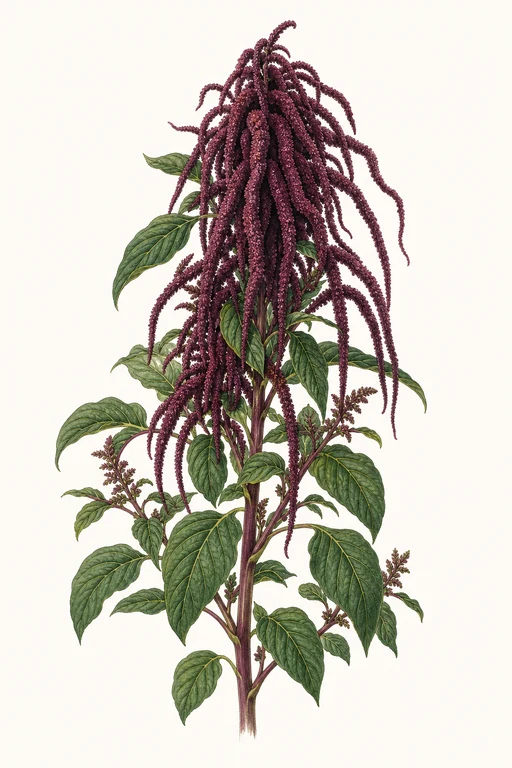
Experience Dreadlocks Amaranth for its dramatic, velvety plumes that spill like dark tresses—an arresting sensory feast of deep, earthy greens with a subtly sweet, nutty finish.
At maturity, the tender foliage and richly colored flower heads offer a lush, succulent texture that shines when gathered young for bold, flavorful greens and vibrant color in sauces and pickled preparations. Grow it for a garden showpiece that rewards with abundant, harvest-ready growth in about 70 days.
Light: Full SunMaturity: 70 DaysHabit: Upright
Planting schedules and alerts are optimized for Columbus (Zone 6b).
Crop Dates
| Milestone | Date |
|---|---|
| Start Indoors | Direct Sow |
| Last Frost | Apr 25th |
| Transplant / Sow Outdoors | Apr 25th |
| Harvest Begins | Jul 4th |
| Harvest Ends | Oct 16th |
Crop Details
| Trait | Value |
|---|---|
| Days to Maturity | 70 |
| Sun Requirements | Full Sun |
| Growth Habit | Upright |
| Support Needed | None |
| Planting Depth | Surface |
| Germination Temp (°F) | 70 |
| Min Soil Temp (°F) | 65 |
| Min Night Temp (°F) | 50 |
| Harden Off (days) | Not Required |
Culinary Notes

Chef's Note
Harvest the dreadlocks young: the foliage stays tender and gives you that grassy-earthy snap with a faint nutty sweetness that holds up to heat and brine. The richly colored heads make sauces and pickles look dramatic without turning bitter—just don’t wait too long or they get fibrous.

Best Uses
- young leaves as peppery greens in quick sauté or wilted salad
- pickling the tender tops/heads for briny, dark color and crunch
- pureeing into a vivid green sauce or pesto-style swirl
- stirring chopped greens into soups/stews for color that doesn’t disappear

Flavor Profile

Frequently Asked Questions
What pest problem most often affects Amaranthus cruentus (dreadlocks amaranth), and how can I control it?
How much water does Amaranthus cruentus need during its main growing phase?
How do I know when Amaranthus cruentus is ready to harvest?
Sowing Tips

Transplant Conditions
Wait until soil reaches 65°F and nights stay above 50°F before moving outdoors.
Expert Note

For the most dramatic “dreadlocks” plumes, sow in full sun and keep moisture consistent until established; avoid letting seedlings dry out.