
Dwarf Siberian
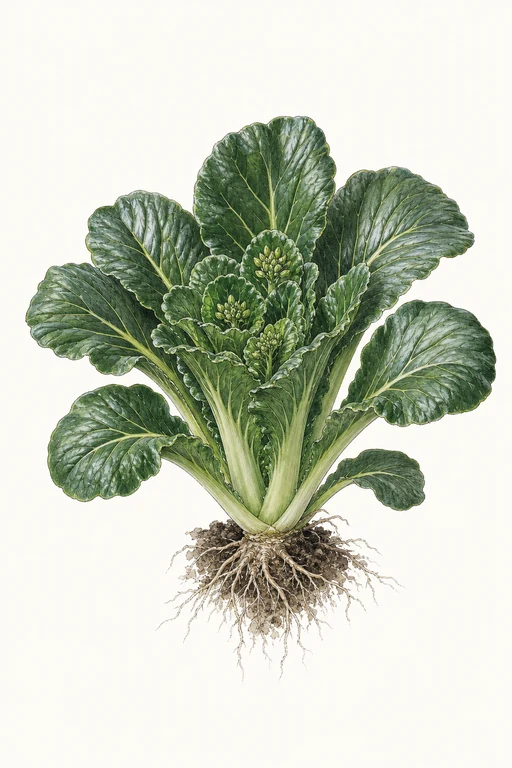
Savory-sweet and deeply green, Dwarf Siberian Kale forms tight, cushiony rosettes with tender leaves that feel pleasantly crisp at first touch and then melt into a silky bite.
Its compact, dwarf habit makes it ideal for small gardens, delivering a steady harvest of flavorful greens with a gentle, earthy edge that shines in warm-season stir-ins, hearty soups, and robust sautés. Grow it for dependable, cold-tolerant performance and a lush, garden-to-table supply of classic kale character.
Light: Full SunMaturity: 50 DaysHabit: Rosette
Planting schedules and alerts are optimized for Columbus (Zone 6b).
Crop Dates
| Milestone | Date |
|---|---|
| Start Indoors | Mar 28th |
| Last Frost | Apr 25th |
| Transplant / Sow Outdoors | Apr 25th |
| Harvest Begins | Jun 14th |
| Harvest Ends | Oct 16th |
Crop Details
| Trait | Value |
|---|---|
| Days to Maturity | 50 |
| Sun Requirements | Full Sun |
| Growth Habit | Rosette |
| Support Needed | None |
| Planting Depth | Normal |
| Germination Temp (°F) | 45 |
| Min Soil Temp (°F) | 40 |
| Min Night Temp (°F) | 30 |
| Harden Off (days) | 6 |
Culinary Notes

Chef's Note
Dwarf Siberian’s compact rosettes give you tender leaves that wilt quickly and then go silky in the mouth—no long simmer required. It carries a gentle, earthy kale character that loves heat, acid, and rendered fat, making it a workhorse for fast sautés and last-minute soup additions.

Best Uses
- quick sauté in a hot pan with a slick of fat, so it turns glossy without getting leathery
- warm-season stir-ins where it needs to wilt fast but still hold texture
- hearty soups or stews, added near the end for silky leaves
- blanch-and-refresh for sheet-pan garlic butter or lemony kale chips

Flavor Profile

Frequently Asked Questions
What’s the most common problem affecting Brassica napus (dwarf blue curled/scotch type) and how can I prevent/treat it?
How often should I water Brassica napus during the main growth phase to keep it productive?
How do I tell when dwarf Siberian Brassica napus is ready to harvest?
Sowing Tips

Transplant Conditions
Wait until soil reaches 40°F and nights stay above 30°F before moving outdoors. Harden off for 6 days first.
Expert Note

Start plants indoors for an earlier harvest, but keep them cool and harden off well before setting out for best flavor and slow-bolt growth.