
Eagle Pass Emerald
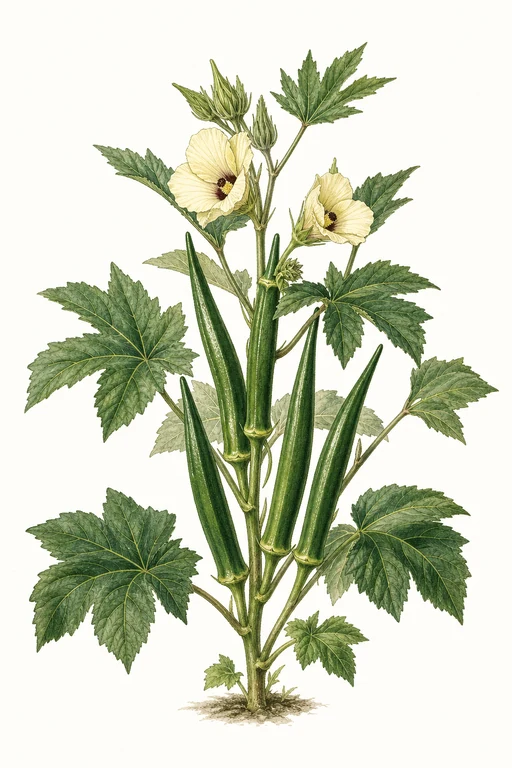
Eagle Pass Emerald brings a lush, jewel-toned harvest—slender pods in a vivid emerald green that feel crisp and tender at first pick.
The flavor is bright and grassy-sweet, with a smooth, lightly velvety texture that shines in quick skillet-style preparations, thickened sauces, and pickling for tangy crunch. Gardeners love its steady, early productivity around 55 days, delivering a reliable stream of uniform pods for the table.
Light: Full SunMaturity: 55 DaysHabit: Upright
Planting schedules and alerts are optimized for Columbus (Zone 6b).
Crop Dates
| Milestone | Date |
|---|---|
| Start Indoors | Mar 14th |
| Last Frost | Apr 25th |
| Transplant / Sow Outdoors | Jun 20th |
| Harvest Begins | Aug 14th |
| Harvest Ends | Oct 16th |
Crop Details
| Trait | Value |
|---|---|
| Days to Maturity | 55 |
| Sun Requirements | Full Sun |
| Growth Habit | Upright |
| Support Needed | None |
| Planting Depth | Normal |
| Germination Temp (°F) | 75 |
| Min Soil Temp (°F) | 65 |
| Min Night Temp (°F) | 55 |
| Harden Off (days) | 10 |
Culinary Notes

Chef's Note
Eagle Pass Emerald is the kind of tender okra that gives you that satisfying, velvety matrix without a long cook—great when you want body, not sludge. Use it early in the season and treat it hot-and-fast, or it’ll push from crisp-tender into mushy sooner than you’d like.

Best Uses
- hot-and-fast skillet sauté (keep pods crisp-tender, no long simmer)
- quick thickening for braises/gumbos where you want silky body
- breaded and pan-fried rounds that stay snappy
- vinegar pickling for tangy, crunchy snacking

Flavor Profile

Frequently Asked Questions
What pest or disease is most likely on Abelmoschus esculentus (okra), and how do I manage it?
How often should I water Abelmoschus esculentus during its main growth (around weeks 2–8)?
How can I tell when to harvest Abelmoschus esculentus (okra) so pods stay tender?
Sowing Tips

Transplant Conditions
Wait until soil reaches 65°F and nights stay above 55°F before moving outdoors. Harden off for 10 days first.
Expert Note

Start okra only if you can provide warm conditions and strong light—otherwise sow after soil warms to speed early growth.