
Elfin Creeping Thyme
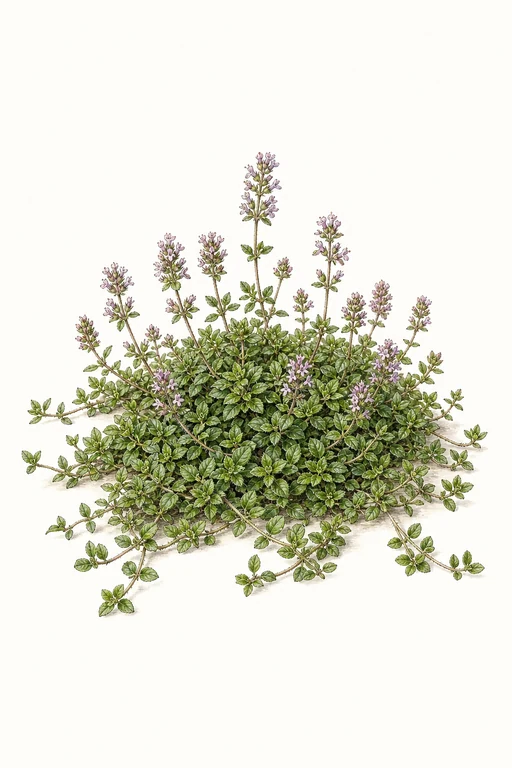
Fragrant, tiny leaves unfurl into a low, spreading carpet of Elfin Creeping Thyme, releasing a vivid, herbal perfume with every step and breeze.
At maturity, the foliage forms a dense, cushiony mat with a fine, velvety texture and a bright, fresh green cast that looks as good as it smells. Ideal for edging and ground cover, it also shines when gathered for aromatic infusions and flavorful seasoning blends—bringing a lively, thyme-forward character to garden beds and containers.
Light: Full SunMaturity: 70 DaysHabit: Spreading
Location not set yet
Location not set yet
Enter your ZIP for local crop dates
Elfin Creeping Thyme Planting Dates by USDA Zone
Estimated US hardiness-zone windows for sow, transplant, and harvest. Enter a US ZIP above for exact local dates, or open a zone below.
| Zone | Start Indoors | Sow / Transplant | Harvest |
|---|---|---|---|
| Zone 1a | Direct Sow | Jun 15th | Aug 24th – Jul 15th |
| Zone 1b | Direct Sow | Jun 1st | Aug 10th – Aug 1st |
| Zone 2a | Direct Sow | May 25th | Aug 3rd – Aug 29th |
| Zone 2b | Direct Sow | May 15th | Jul 24th – Aug 25th |
| Zone 3a | Direct Sow | May 15th | Jul 24th – Sep 1st |
| Zone 3b | Direct Sow | May 19th | Jul 28th – Sep 21st |
| Zone 4a | Direct Sow | May 15th | Jul 24th – Sep 24th |
| Zone 4b | Direct Sow | May 13th | Jul 22nd – Sep 27th |
| Zone 5a | Direct Sow | May 8th | Jul 17th – Sep 30th |
| Zone 5b | Direct Sow | May 4th | Jul 13th – Oct 5th |
| Zone 6a | Direct Sow | May 1st | Jul 10th – Oct 10th |
| Zone 6b | Direct Sow | Apr 25th | Jul 4th – Oct 16th |
| Zone 7a | Direct Sow | Apr 20th | Jun 29th – Oct 20th |
| Zone 7b | Direct Sow | Apr 10th | Jun 19th – Oct 28th |
| Zone 8a | Direct Sow | Apr 1st | Jun 10th – Nov 5th |
| Zone 8b | Direct Sow | Mar 23rd | Jun 1st – Nov 12th |
| Zone 9a | Direct Sow | Mar 6th | May 15th – Nov 26th |
| Zone 9b | Direct Sow | Feb 9th | Apr 20th – Dec 9th |
| Zone 10a | — | Oct 1st | Dec 10th – Feb 28th |
| Zone 10b | — | Oct 1st | Dec 10th – Feb 28th |
| Zone 11a | — | Oct 1st | Dec 10th – Feb 28th |
| Zone 11b | — | Oct 1st | Dec 10th – Feb 28th |
| Zone 12a | — | Oct 1st | Dec 10th – Feb 28th |
| Zone 12b | — | Oct 1st | Dec 10th – Feb 28th |
| Zone 13a | — | Oct 1st | Dec 10th – Feb 28th |
| Zone 13b | — | Oct 1st | Dec 10th – Feb 28th |
Crop Details
| Trait | Value |
|---|---|
| Days to Maturity | 70 |
| Sun Requirements | Full Sun |
| Growth Habit | Spreading |
| Support Needed | None |
| Planting Depth | Surface |
| Germination Temp (°F) | 65 |
| Min Soil Temp (°F) | 50 |
| Min Night Temp (°F) | 35 |
| Harden Off (days) | 7 |
Culinary Notes

Chef's Note
This creeping, tiny-leaf thyme is all about aggressive aromatic lift—bruise it to unlock that lemon-pine snap before it goes flat. Use it like you’d use fresh thyme on the stove: quick perfume in oil or a short steep, not a long cook that mutes the top notes.

Best Uses
- bruise-and-release seasoning for roast chicken, pork, or lamb rubs
- steeped infusion (hot or cold) for tea-style syrups and aromatic vinegars
- blend into dry spice mixes—especially alongside garlic powder, smoked salt, and citrus zest
- fold into warm olive oil to perfume bread service or steamed vegetables

Flavor Profile

Frequently Asked Questions
What pest or disease problem is most common on Thymus serpyllum (elfin creeping thyme) and how do I fix it?
How often should I water elfin creeping thyme during its main growing phase?
How can I tell when elfin creeping thyme is ready to harvest?
Sowing Tips

Transplant Conditions
Wait until soil reaches 50°F and nights stay above 35°F before moving outdoors. Harden off for 7 days first.
Expert Note

For the tightest, most durable ground cover, establish plants in full sun with lean, fast-draining soil and avoid overwatering after establishment.