
Ever Lucky
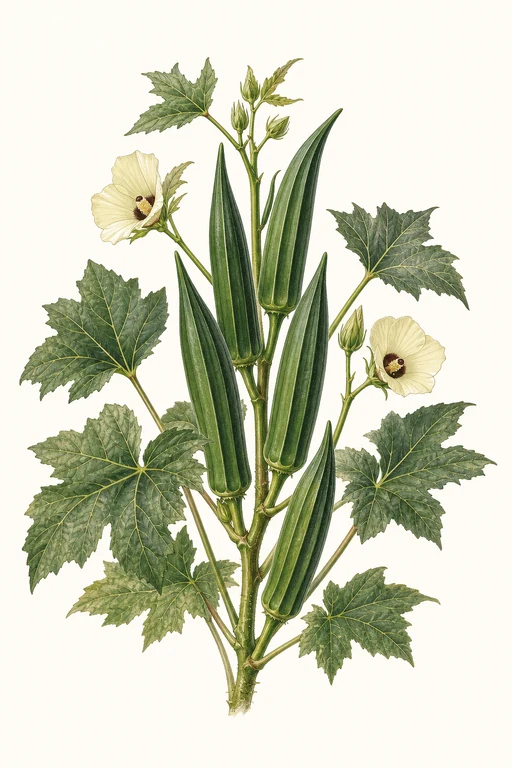
Velvety pods of Ever Lucky unfurl with a tender, green glow—sleek, ridged, and irresistibly crisp at harvest.
Expect a mild, clean flavor and a fine, non-stringy bite that stays pleasantly succulent, making these pods a standout for quick, high-heat roasting and vibrant fresh use, as well as silky sauces and pickling-style preparations. Vigorous and reliably productive in about 60 days, Ever Lucky rewards attentive gardeners with a steady parade of market-ready pods from warm weather onward.
Light: Full SunMaturity: 60 DaysHabit: Upright
Planting schedules and alerts are optimized for Columbus (Zone 6b).
Crop Dates
| Milestone | Date |
|---|---|
| Start Indoors | Direct Sow |
| Last Frost | Apr 25th |
| Transplant / Sow Outdoors | Apr 25th |
| Harvest Begins | Jun 24th |
| Harvest Ends | Oct 16th |
Crop Details
| Trait | Value |
|---|---|
| Days to Maturity | 60 |
| Sun Requirements | Full Sun |
| Growth Habit | Upright |
| Support Needed | None |
| Planting Depth | Normal |
| Germination Temp (°F) | 80 |
| Min Soil Temp (°F) | 65 |
| Min Night Temp (°F) | 55 |
| Harden Off (days) | Not Required |
Culinary Notes

Chef's Note
Ever Lucky’s pods come off the heat with a clean, tender bite—ridged surfaces blister fast and don’t turn stringy in the pan. When you simmer them, they release just enough silk for a sauce that clings instead of turning greasy.

Best Uses
- quick, high-heat roasting or blistering—serve hot so the ridges stay crisp
- stir-fries where you want pods to stay firm without turning tough
- silky, spoon-coating okra sauces from a quick simmer
- quick-pickle style preparations for snappy, tangy crunch

Flavor Profile

Frequently Asked Questions
What is a common okra (Abelmoschus esculentus) pest or disease, and how do I manage it?
How often should I water Abelmoschus esculentus during the main growing phase?
How do I tell when okra pods (Abelmoschus esculentus) are ready to harvest?
Sowing Tips

Transplant Conditions
Wait until soil reaches 65°F and nights stay above 55°F before moving outdoors.
Expert Note

For best “stays evergreen / late into fall” performance, transplant into cool weather and keep moisture consistent so growth slows gradually rather than shutting down.