
Fairy Tale
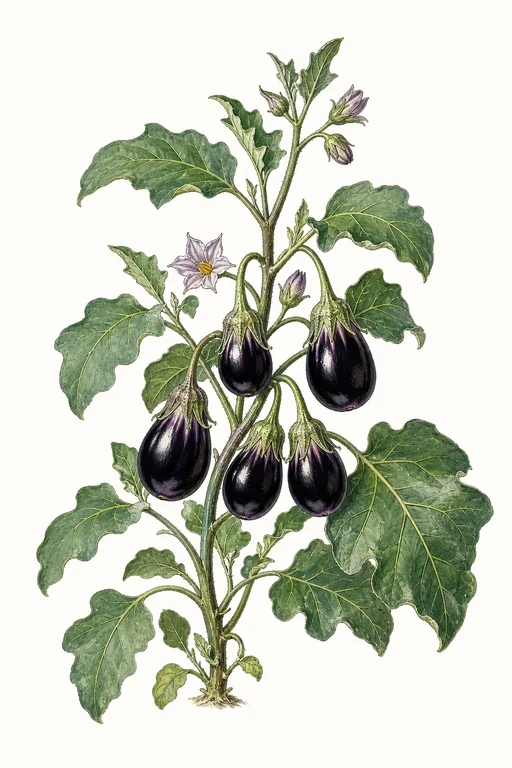
Plush, glossy miniatures with a fairy-tale sheen—Fairy Tale eggplant brings a deep violet skin that looks almost ink-black in the sun.
The flesh is creamy and tender, with a mild, delicately sweet flavor that shines whether you savor them fresh from the garden or roast them until silky. Ideal for home gardeners seeking compact plants and abundant, bite-size fruit for standout displays and versatile serving ideas.
Light: Full SunMaturity: 60 DaysHabit: Upright
Planting schedules and alerts are optimized for Columbus (Zone 6b).
Crop Dates
| Milestone | Date |
|---|---|
| Start Indoors | Mar 7th |
| Last Frost | Apr 25th |
| Transplant / Sow Outdoors | Jun 20th |
| Harvest Begins | Aug 19th |
| Harvest Ends | Oct 16th |
Crop Details
| Trait | Value |
|---|---|
| Days to Maturity | 60 |
| Sun Requirements | Full Sun |
| Growth Habit | Upright |
| Support Needed | Stake |
| Planting Depth | Normal |
| Germination Temp (°F) | 80 |
| Min Soil Temp (°F) | 60 |
| Min Night Temp (°F) | 50 |
| Harden Off (days) | 10 |
Culinary Notes

Chef's Note
These miniature eggplants are built for heat: the small size lets them go from pale to silky in a hurry, with a creamy interior that loves sauce. Use aggressive roasting or direct high-heat char so the flesh turns spoonable instead of stewing, and keep the seasoning bright (lemon/garlic/olive oil) to cut the gentle, eggplant-like bitterness.

Best Uses
- halved and roasted at high heat until the cut sides collapse and turn custardy
- quick sauté or skillet char for bite-size “steaks” with smoky edges
- tahini-lemon or yogurt sauces where the flesh acts like a sponge
- grilled skewers where they go from firm to silky without turning watery

Flavor Profile

Frequently Asked Questions
What pest or disease most commonly affects eggplant (Solanum melongena), and what can I do about it?
How often should I water Solanum melongena during peak growth, and what soil moisture level is ideal?
How can I tell when to harvest eggplant (Solanum melongena) that’s “Fairy Tale” size?
Sowing Tips

Transplant Conditions
Wait until soil reaches 60°F and nights stay above 50°F before moving outdoors. Harden off for 10 days first.
Expert Note

Start indoors with warm temperatures, transplant only when nights are reliably warm, and keep soil evenly moist to prevent blossom drop.