
Fidji
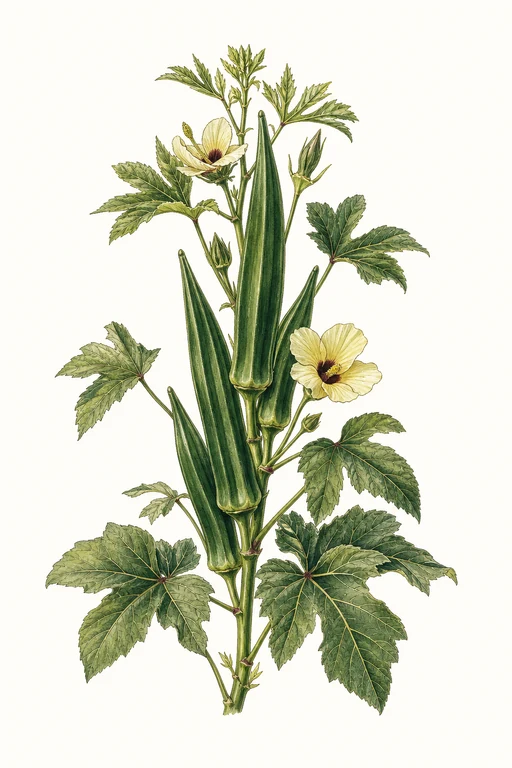
Tender young pods of Fidji unfurl with a velvety, deep-green sheen and a pleasantly crisp bite that stays bright as you harvest.
Their slender, ridged shape makes them especially satisfying for roasting until caramel-kissed at the edges, and they also shine in fresh preparations and quick skillet-style sauces where their natural thickness helps cling to flavor. Grow Fidji for a steady, garden-to-basket rhythm—vigorous plants that reward attentive picking with consistently delicious pods.
Light: Full SunMaturity: 60 DaysHabit: Upright
Planting schedules and alerts are optimized for Columbus (Zone 6b).
Crop Dates
| Milestone | Date |
|---|---|
| Start Indoors | Direct Sow |
| Last Frost | Apr 25th |
| Transplant / Sow Outdoors | Jun 20th |
| Harvest Begins | Aug 19th |
| Harvest Ends | Oct 16th |
Crop Details
| Trait | Value |
|---|---|
| Days to Maturity | 60 |
| Sun Requirements | Full Sun |
| Growth Habit | Upright |
| Support Needed | None |
| Planting Depth | Normal |
| Germination Temp (°F) | 80 |
| Min Soil Temp (°F) | 65 |
| Min Night Temp (°F) | 55 |
| Harden Off (days) | 10 |
Culinary Notes

Chef's Note
Fidji okra hits the sweet spot between crisp bite and that signature, clingy thickening—exactly what you want when you want the sauce to coat instead of slide off. Roast hot and don’t overcrowd the pan for caramelized ridges; finish with lemon so the pods stay bright, not dull.

Best Uses
- hot roasting for caramel-kissed ridges
- quick skillet sauces where the pods naturally thicken and cling
- light frying or pan-searing for a crisp exterior with minimal slime

Flavor Profile

Frequently Asked Questions
What pest or disease is most common on Abelmoschus esculentus (Fidji okra), and how can I manage it?
How often should I water Fidji okra during the main growing phase?
How do I know when Fidji okra is ready to harvest?
Sowing Tips

Transplant Conditions
Wait until soil reaches 65°F and nights stay above 55°F before moving outdoors. Harden off for 10 days first.
Expert Note

Even though Fidji tolerates wetter soil, still wait to transplant until nights are reliably warm and the soil is near/above 60°F to prevent cold-stress stunting.