
Fiesole
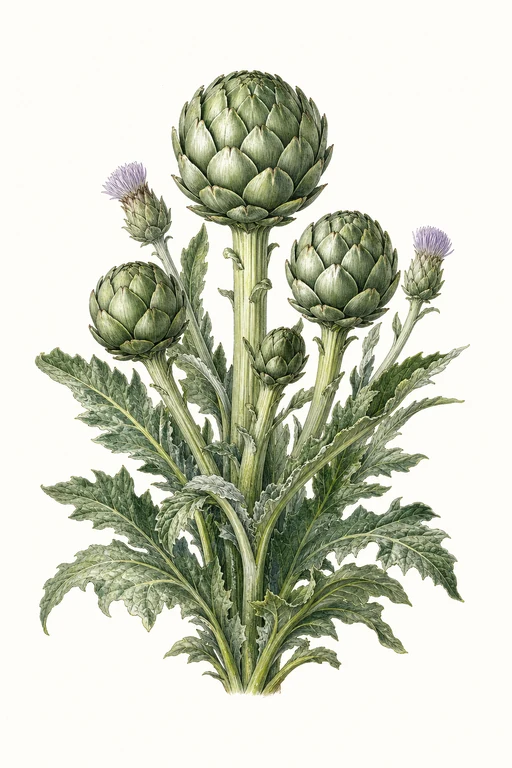
Sink your senses into Fiesole’s richly aromatic, globe-shaped artichokes—tight, layered scales in a deep, silvery green that feel satisfyingly firm at harvest.
Expect a meaty, tender heart with a refined, nutty flavor that shines in classic globe artichoke preparations, from steaming to roasting, and makes a memorable centerpiece for warm dips and savory spreads. For home gardeners, Fiesole delivers the slow, rewarding rhythm of a 110-day season with showy plants that look as good as they taste.
Light: Full SunMaturity: 110 DaysHabit: Clumping
Planting schedules and alerts are optimized for Columbus (Zone 6b).
Crop Dates
| Milestone | Date |
|---|---|
| Start Indoors | Direct Sow |
| Last Frost | Apr 25th |
| Transplant / Sow Outdoors | Apr 25th |
| Harvest Begins | Aug 13th |
| Harvest Ends | Oct 16th |
Crop Details
| Trait | Value |
|---|---|
| Days to Maturity | 110 |
| Sun Requirements | Full Sun |
| Growth Habit | Clumping |
| Support Needed | None |
| Planting Depth | Normal |
| Germination Temp (°F) | 70 |
| Min Soil Temp (°F) | 45 |
| Min Night Temp (°F) | 40 |
| Harden Off (days) | 7 |
Culinary Notes

Chef's Note
Fiesole’s firm, layered globe scales give you that satisfying peel-and-scrape moment, while the heart stays meaty and tender instead of collapsing into watery mush. Cook it hard (steam/roast) and let the bitterness resolve into a nutty, buttery finish—this is an artichoke that behaves beautifully in warm dips and spoonable spreads.

Best Uses
- steam then butter-dunk for heart-forward eating
- roast until the outer scales go bronzed and smoky, then scrape and dip
- braise or simmer in lemon-garlic broth for a warming, savory spread base
- warm artichoke dip or puree for sandwiches—scales down into a thick, spoonable texture

Flavor Profile

Frequently Asked Questions
What pest or disease commonly affects Cynara scolymus (artichoke), and what’s the best home-garden treatment?
How often should I water Cynara scolymus during the main growing phase, and what soil moisture should I maintain?
How can I tell when Cynara scolymus artichokes are ready to harvest?
Sowing Tips

Transplant Conditions
Wait until soil reaches 45°F and nights stay above 40°F before moving outdoors. Harden off for 7 days first.
Expert Note

Globe artichokes are long-season and can be grown from transplants—keep crowns from freezing and provide consistent moisture as buds form.