
Fortex
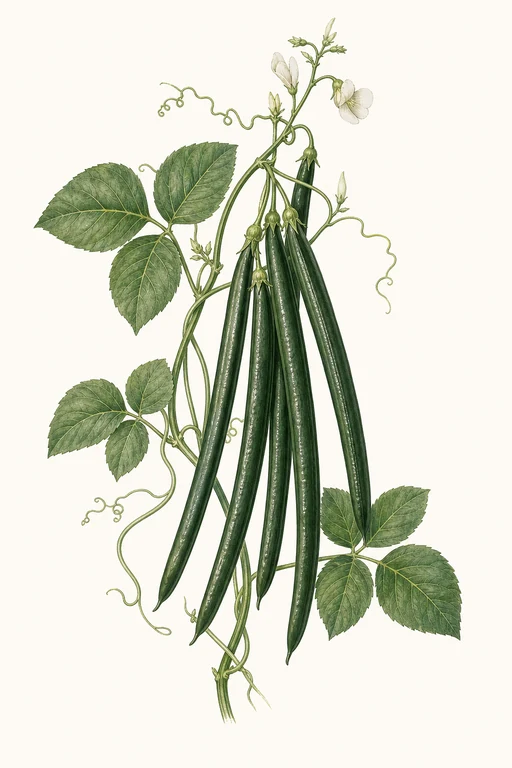
Savory-sweet and vividly crisp, Fortex pole beans deliver tender pods with a clean, snap and a glossy, deep-green sheen that feels almost luminous in the garden.
At maturity the pods stay slender and remarkably uniform, offering a satisfying bite that shines in fresh salads and quick stir-fries, and also holds up beautifully for freezing and pickling. Grow Fortex for a steady, season-long harvest on vigorous vines—your trellis will be dressed in sleek foliage and dependable, flavorful pods.
Light: Full SunMaturity: 55 DaysHabit: Clumping
Planting schedules and alerts are optimized for Columbus (Zone 6b).
Crop Dates
| Milestone | Date |
|---|---|
| Start Indoors | Direct Sow |
| Last Frost | Apr 25th |
| Transplant / Sow Outdoors | Apr 25th |
| Harvest Begins | Jun 19th |
| Harvest Ends | Oct 16th |
Crop Details
| Trait | Value |
|---|---|
| Days to Maturity | 55 |
| Sun Requirements | Full Sun |
| Growth Habit | Clumping |
| Support Needed | Trellis |
| Planting Depth | Normal |
| Germination Temp (°F) | 70 |
| Min Soil Temp (°F) | 60 |
| Min Night Temp (°F) | 50 |
| Harden Off (days) | Not Required |
Culinary Notes

Chef's Note
Fortex pole beans are all about the snap—slender pods that stay crisp instead of turning starchy, so they shine when treated hot-and-fast or chilled before they lose their bite. If you blanch just until glossy and then stop the cooking, they hold up beautifully in stir-fries, salads, and pickles alike.

Best Uses
- quick stir-fries where you want pods to stay bright and snappy
- shaved or halved raw in salads that need a fresh, assertive crunch
- fast blanch-and-chill for icebox meals and grain bowls
- freezing or quick pickling to preserve that glossy, springy bite

Flavor Profile

Frequently Asked Questions
What’s a common disease problem for Phaseolus vulgaris (Fortex beans), and how do I manage it?
How often should I water Phaseolus vulgaris during the main growing phase (after emergence through pod fill)?
How can I tell when Fortex beans are ready to harvest?
Sowing Tips

Transplant Conditions
Wait until soil reaches 60°F and nights stay above 50°F before moving outdoors.
Expert Note

Direct-sow after soil warms and keep evenly moist to maximize tender, stringless 10-inch filet pods.