
Freezonian
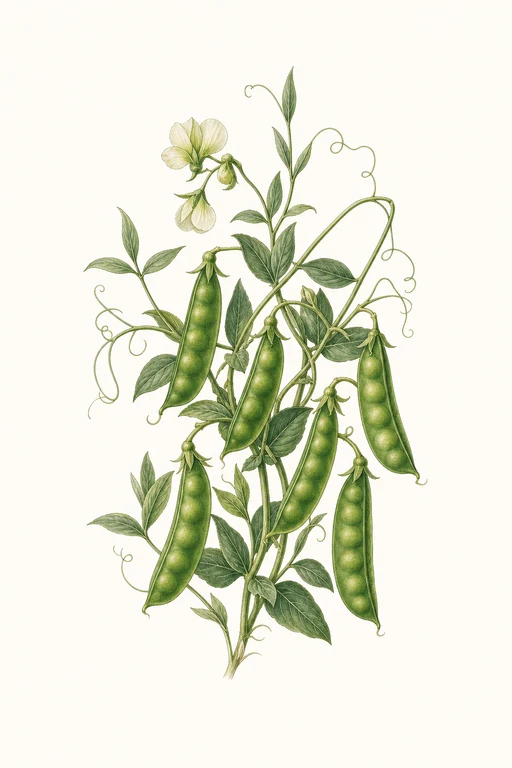
Sweetly fragrant pods give way to peas of striking, uniform size—tender, bright, and vividly green with a clean, garden-fresh snap.
Freezonian shelling peas are prized for their reliable harvest rhythm and satisfying bite, making them a standout choice for gardeners who want dependable performance in a compact 60-day season. Grow a row for the pantry-ready bounty of plump peas that shine in classic shelling applications and vibrant preserves.
Light: Full SunMaturity: 60 DaysHabit: Upright
Crop Dates : 4a
| Milestone | Date |
|---|---|
| Start Indoors | Direct Sow |
| Last Frost | May 15th |
| Transplant / Sow Outdoors | May 15th |
| Harvest Begins | Jul 14th |
| Harvest Ends | Sep 24th |
Crop Details
| Trait | Value |
|---|---|
| Days to Maturity | 60 |
| Sun Requirements | Full Sun |
| Growth Habit | Upright |
| Support Needed | Trellis |
| Planting Depth | Normal |
| Germination Temp (°F) | 45 |
| Min Soil Temp (°F) | 40 |
| Min Night Temp (°F) | 28 |
| Harden Off (days) | Not Required |
Culinary Notes

Chef's Note
Freezonian shelling peas hit that sweet spot where the pods give way to peas that hold their shape—bright, tender, and snappy instead of turning starchy. Cook them fast and finish with butter, mint, and lemon to keep the flavor vivid and the bite intact.

Best Uses
- quick-steam or short-boil shelling peas so they stay jewel-bright
- buttery pan toss with chopped mint and lemon zest
- velouté-style pea purée for spoonable texture (not thick, but silky)
- fresh pea succotash with crisp aromatics and a tangy fat

Flavor Profile

Frequently Asked Questions
What pest or disease problem is most likely with Pisum sativum (garden pea), and how do I fix it?
How often should I water Pisum sativum during the main growing phase?
How can I tell when Pisum sativum is ready to harvest?
Sowing Tips

Transplant Conditions
Wait until soil reaches 40°F and nights stay above 28°F before moving outdoors.
Expert Note

For best sweetness and tender pods/seeds, plant in warm soil and keep moisture consistent until harvest, then blanch promptly for freezing.