
Genovese Red Freddy
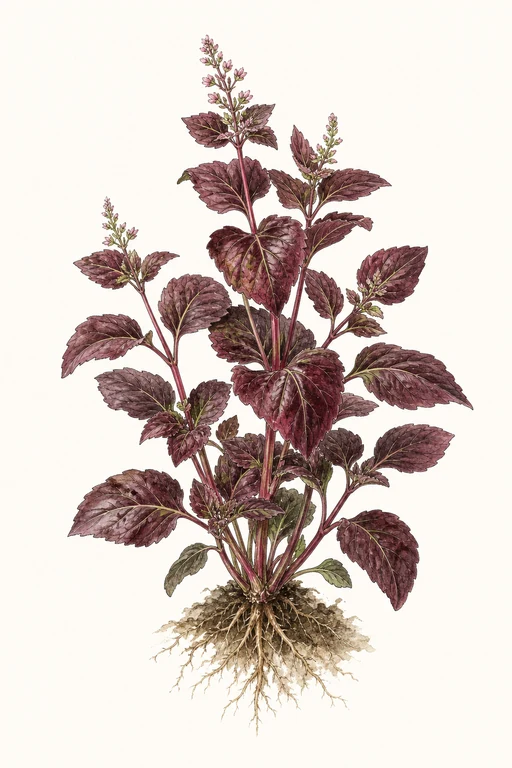
Fragrant as a sunlit garden—Genovese Red Freddy basil unfurls with a bold, peppery-sweet aroma and striking deep burgundy leaves that glow against the greenest stems.
The foliage is tender and lush, with a velvety texture and a balanced, savory flavor that shines in fresh applications and quick flavor boosters. Grow it for standout garnish, vibrant pesto-style sauces, and richly colored herb blends that elevate every bowl with its distinctive red-green personality.
Light: Full SunMaturity: 60 DaysHabit: Upright
Crop Dates : 1a
| Milestone | Date |
|---|---|
| Last Frost | Jun 15th |
| Growing Approach | Protected Environment Only |
Crop Details
| Trait | Value |
|---|---|
| Days to Maturity | 60 |
| Sun Requirements | Full Sun |
| Growth Habit | Upright |
| Support Needed | None |
| Planting Depth | Normal |
| Germination Temp (°F) | 70 |
| Min Soil Temp (°F) | 60 |
| Min Night Temp (°F) | 50 |
| Harden Off (days) | 7 |
Culinary Notes

Chef's Note
Genovese Red Freddy brings a peppery-sweet basil hit with tender, velvety leaves that behave beautifully as a fresh finisher—no need to cook it into submission. Use it at the end to preserve its aroma, and it’ll lock in an herb-forward brightness that plays especially well with lemony fats and aged cheeses.

Best Uses
- tear-and-shave over hot pasta off the heat to keep the leaves from bruising
- make quick pesto-style sauces that lean peppery and herb-forward
- stir into finishing oils or pan sauces at the last minute for a fragrant lift
- blend into herb salt or herb vinaigrettes for red-green color

Flavor Profile

Frequently Asked Questions
What pest is most likely on sweet basil (Ocimum basilicum) and how do I stop it?
How often should I water Ocimum basilicum during peak growth?
How can I tell when Genovese basil (Ocimum basilicum) is ready to harvest?
Sowing Tips

Transplant Conditions
Wait until soil reaches 60°F and nights stay above 50°F before moving outdoors. Harden off for 7 days first.
Expert Note

Pinch the first set of flowers/leaves tips early to encourage bushy growth and keep the purplish foliage dense.