
Ghostbuster
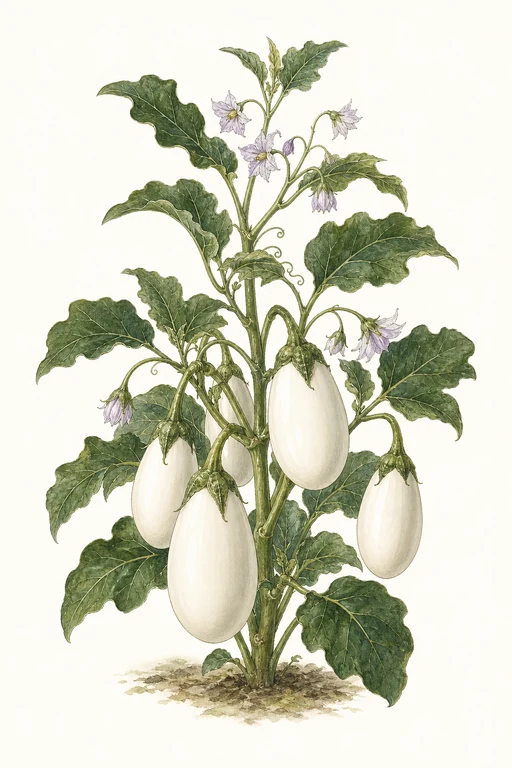
Silky, ghost-white fruits hang like porcelain lanterns, delivering a cool, delicate flavor with a pleasantly tender bite and minimal bitterness.
“Ghostbuster” forms vigorous plants that produce smooth, slender-oval eggplants with a refined, satin sheen—ideal for roasting to a caramel-soft tenderness, grilling for smoky depth, and showcasing in sauces where their pale flesh turns luxuriously creamy. Grow it for a striking contrast in the garden and a standout, mild eggplant character on the plate.
Light: Full SunMaturity: 75 DaysHabit: Upright
Planting schedules and alerts are optimized for Columbus (Zone 6b).
Crop Dates
| Milestone | Date |
|---|---|
| Start Indoors | Mar 7th |
| Last Frost | Apr 25th |
| Transplant / Sow Outdoors | Jun 20th |
| Harvest Begins | Sep 3rd |
| Harvest Ends | Oct 16th |
Crop Details
| Trait | Value |
|---|---|
| Days to Maturity | 75 |
| Sun Requirements | Full Sun |
| Growth Habit | Upright |
| Support Needed | Stake |
| Planting Depth | Normal |
| Germination Temp (°F) | 75 |
| Min Soil Temp (°F) | 60 |
| Min Night Temp (°F) | 50 |
| Harden Off (days) | 10 |
Culinary Notes

Chef's Note
“Ghostbuster” eggplant lands on the plate with a cleaner, less bitter temperament and a more porcelain-smooth eating experience than many darker types—especially once roasted hard and fast. Its pale flesh gets spoon-cream soft without turning spongy, so it’s tailor-made for smoky char, tahini-lemon spreads, and glossy, sauce-heavy servings.

Best Uses
- char-grilling and finishing with a smoky, oily gloss (holds shape, doesn’t collapse)
- high-heat roasting until caramel-soft for spoonable, creamy flesh
- tahini-lemon style spreads where the pale interior turns luxuriously smooth
- pan-searing or shallow-frying for silky slices with a delicate exterior

Flavor Profile

Frequently Asked Questions
What pest or disease is most likely on Solanum melongena (eggplant) and how do I stop it?
How often should I water eggplant during the main growing phase?
How can I tell when my Solanum melongena is ready to harvest?
Sowing Tips

Transplant Conditions
Wait until soil reaches 60°F and nights stay above 50°F before moving outdoors. Harden off for 10 days first.
Expert Note

Warm the soil and protect transplants from cool nights—eggplant is easily slowed by cold soil even after the last frost.