
Giant Green
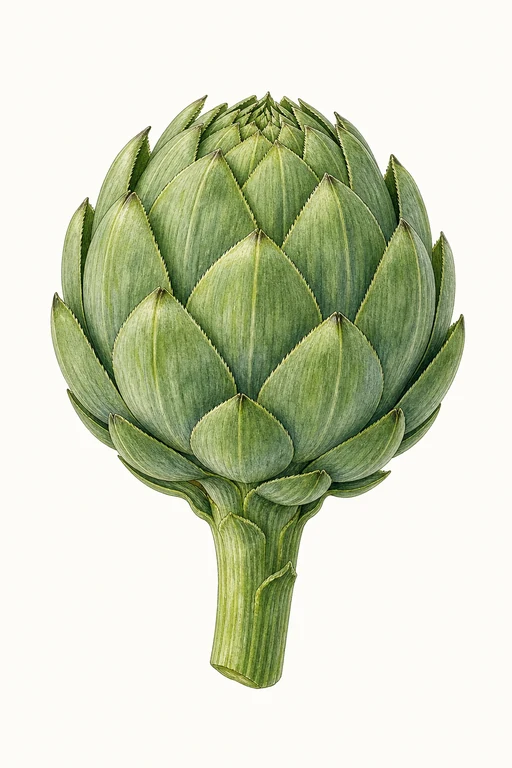
Experience the thrill of Giant Green’s oversized, tightly packed globes—silky, deep-green bracts that feel substantial in the hand and promise a rich, artichoke-forward flavor.
Expect a meaty, tender heart with a firm, satisfying bite that shines when roasted or grilled, and also performs beautifully in warm sauces and savory preparations. For home gardeners, this is a bold statement variety: plant it for impressive harvests and a long season of showy, harvest-ready heads.
Light: Full SunMaturity: 120 DaysHabit: Upright
Planting schedules and alerts are optimized for Columbus (Zone 6b).
Crop Dates
| Milestone | Date |
|---|---|
| Start Indoors | Feb 14th |
| Last Frost | Apr 25th |
| Transplant / Sow Outdoors | Apr 25th |
| Harvest Begins | Aug 23rd |
| Harvest Ends | Oct 16th |
Crop Details
| Trait | Value |
|---|---|
| Days to Maturity | 120 |
| Sun Requirements | Full Sun |
| Growth Habit | Upright |
| Support Needed | None |
| Planting Depth | Normal |
| Germination Temp (°F) | 70 |
| Min Soil Temp (°F) | 45 |
| Min Night Temp (°F) | 45 |
| Harden Off (days) | 7 |
Culinary Notes

Chef's Note
Giant Green brings a substantial, “meaty” bite—its tight bracts roast down into something silky while the heart stays pleasantly firm rather than collapsing. That earthy, artichoke-forward bitterness loves bright lemon and mellow fat, so it’s strongest grilled, then dressed warm with olive oil, garlic, and something salty like parmesan.

Best Uses
- roast or grill the whole globes until the bracts blister and the heart turns creamy

Flavor Profile

Frequently Asked Questions
What pest or disease most commonly affects Cynara scolymus (artichoke) and how can I control it?
How often should I water Cynara scolymus during active growth, and what soil moisture level should I aim for?
How do I tell when Cynara scolymus is ready to harvest?
Sowing Tips

Transplant Conditions
Wait until soil reaches 45°F and nights stay above 45°F before moving outdoors. Harden off for 7 days first.
Expert Note

Start early and transplant only when nights are reliably mild, then keep crowns evenly moist for the biggest bud size.