
Giant Italian
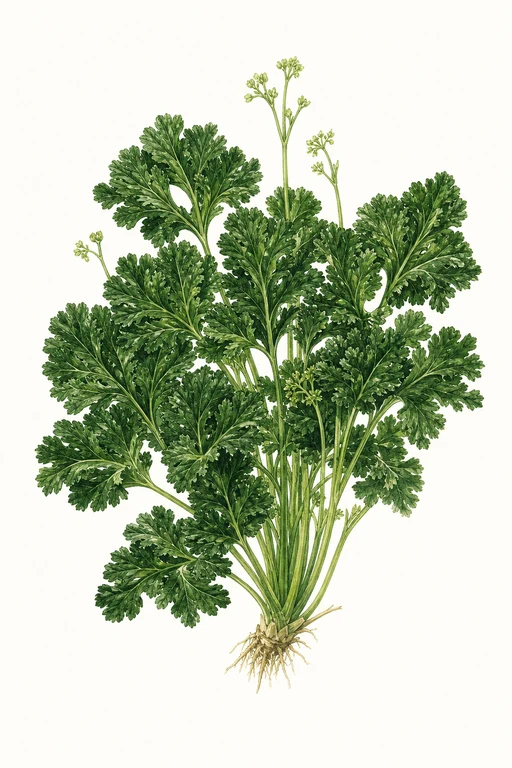
A lush, slow-to-bolt green—Giant Italian parsley delivers a vivid, fresh aroma with an unmistakably full-bodied flavor.
Expect broad, deeply crinkled leaves that hold their texture beautifully, making this variety a standout for garnishing and flavoring throughout the season. Grow Giant Italian for dependable, vigorous harvests at about 70 days, with enough foliage to keep your beds looking richly alive while your pantry stays bright with herbal character.
Light: Part SunMaturity: 70 DaysHabit: Upright
Crop Dates : 13a
| Milestone | Date |
|---|---|
| Start Indoors | — |
| Climate | Frost-Free Climate |
| Transplant / Sow Outdoors | Oct 1st |
| Harvest Begins | Dec 10th |
| Harvest Ends | Feb 28th |
Crop Details
| Trait | Value |
|---|---|
| Days to Maturity | 70 |
| Sun Requirements | Part Sun |
| Growth Habit | Upright |
| Support Needed | None |
| Planting Depth | Normal |
| Germination Temp (°F) | 70 |
| Min Soil Temp (°F) | 40 |
| Min Night Temp (°F) | 28 |
| Harden Off (days) | 7 |
Culinary Notes

Chef's Note
Giant Italian parsley is built for the job where you actually taste the herb—broad leaves, full aroma, and a peppery-green finish that doesn’t collapse into bitterness when treated right. Chop and add late, or use it as the finishing garnish so its crinkled leaf structure stays lively on the plate.

Best Uses
- chopping fine for gremolata-style mixes and bright green topping
- stirring into pan sauces at the end for fresh lift without losing leaf texture
- folding into tabbouleh and grain salads where it holds up under dressing
- using as a bold, heat-resistant garnish on roasted potatoes, beans, and braises

Flavor Profile

Frequently Asked Questions
What pest or disease most commonly affects Petroselinum crispum var. neapolitanum (Italian flat-leaf parsley), and how do I stop it?
How often should I water giant Italian flat-leaf parsley during the main growing phase?
How can I tell when Petroselinum crispum var. neapolitanum is ready to harvest (around 70 days)?
Sowing Tips

Transplant Conditions
Wait until soil reaches 40°F and nights stay above 28°F before moving outdoors. Harden off for 7 days first.
Expert Note

Soak seeds 12–24 hours and keep evenly moist—parsley can be slow to germinate, especially in cool springs.