
SproutSmart
SproutSmart™ Intelligent Garden Sowing

Giant Red Reselection

Family: Apiaceae Vegetable

Planting Schedule

Provide your location or planting zone to unlock dates and add Giant Red Reselection to a garden.

Crisp as a cool morning—Giant Red Reselection celery forms bold, upright stalks with a striking blush of red at the outer ribs and a clean, refreshing snap through the heart.

Expect a firm, juicy texture and a bright, herbal sweetness that shines whether you’re enjoying it fresh or turning it into vivid, aromatic sauces and pickles. For gardeners who love a statement plant, this re-selection delivers generous, market-worthy size at about 85 days, with sturdy growth that holds its character beautifully.

Light: Part SunMaturity: 85 DaysHabit: Upright
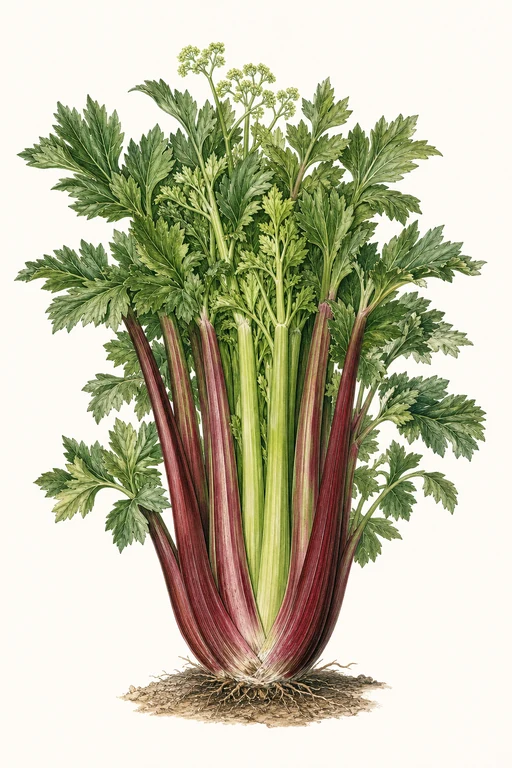
Botanical illustration of Giant Red Reselection

Location not set yet

Location not set yet

Enter your ZIP for local crop dates

Giant Red Reselection Planting Dates by USDA Zone

Estimated US hardiness-zone windows for sow, transplant, and harvest. Enter a US ZIP above for exact local dates, or open a zone below.

Zone Start Indoors Sow / Transplant Harvest
Zone 1a Protected Environment Only
Zone 1b Protected Environment Only
Zone 2a Mar 30th May 25th Aug 18th – Aug 29th
Zone 2b Mar 20th May 15th Aug 8th – Aug 25th
Zone 3a Mar 20th May 15th Aug 8th – Sep 1st
Zone 3b Mar 24th May 19th Aug 12th – Sep 21st
Zone 4a Mar 20th May 15th Aug 8th – Sep 24th
Zone 4b Mar 18th May 13th Aug 6th – Sep 27th
Zone 5a Mar 13th May 8th Aug 1st – Sep 30th
Zone 5b Mar 9th May 4th Jul 28th – Oct 5th
Zone 6a Mar 6th May 1st Jul 25th – Oct 10th
Zone 6b Feb 28th Apr 25th Jul 19th – Oct 16th
Zone 7a Feb 23rd Apr 20th Jul 14th – Oct 20th
Zone 7b Feb 13th Apr 10th Jul 4th – Oct 28th
Zone 8a Feb 4th Apr 1st Jun 25th – Nov 5th
Zone 8b Jan 26th Mar 23rd Jun 16th – Nov 12th
Zone 9a Jan 9th Mar 6th May 30th – Nov 26th
Zone 9b Dec 15th Feb 9th May 5th – Dec 9th
Zone 10a — Oct 1st Dec 25th – Feb 28th
Zone 10b — Oct 1st Dec 25th – Feb 28th
Zone 11a — Oct 1st Dec 25th – Feb 28th
Zone 11b — Oct 1st Dec 25th – Feb 28th
Zone 12a — Oct 1st Dec 25th – Feb 28th
Zone 12b — Oct 1st Dec 25th – Feb 28th
Zone 13a — Oct 1st Dec 25th – Feb 28th
Zone 13b — Oct 1st Dec 25th – Feb 28th

Crop Details

TraitValue
Days to Maturity85
Sun RequirementsPart SunPartial sun
Growth HabitUpright
Support NeededNone
Planting DepthNormal
Germination Temp (°F)70
Min Soil Temp (°F)45
Min Night Temp (°F)35
Harden Off (days)7

Culinary Notes


Chef's Note

This celery keeps a tight, glassy crunch even when chopped fine, so it’s built for raw and quick treatments where it won’t collapse. The blushy red ribs bring an extra aromatic edge—pickle it or shave it into salads for that cool, juicy snap.

Best Uses

  • shave thin for slaws and crudités—its water content keeps the bite lively
  • stalk-first mirepoix/base for broths and stocks where the cut holds shape
  • quick-pickle in vinegar for red-rimmed color and a snappy, peppery tang
  • purée into an aromatic green sauce or soup for a clean, vegetal backbone

Flavor Profile

bright, herbal sweetness cool, watery crunch firm, juicy stalk snap subtly earthy celery bitterness

Kitchen Pairings

lemon olive oil butter parmesan chicken white wine vinegar

Frequently Asked Questions


What disease or pest most commonly affects Apium graveolens (celery) and how can I manage it?
Celery (Apium graveolens) is prone to Septoria leaf spot and early blight-like leaf spots, which show up as small brown lesions that spread on older leaves. Remove and destroy infected leaves, avoid overhead watering, and water at the soil line to keep foliage dry; if disease keeps progressing, apply a labeled fungicide safe for edible Apiaceae according to the label. Aphids can also cluster on tender growth—spray them off with a strong water jet and use insecticidal soap if numbers rebound within a week.
How often should I water celery during the main growing phase (around day 30–85)?
During the main growth phase, keep the root zone consistently moist but not waterlogged—aim for evenly damp soil about 1–2 inches deep. In typical home gardens this often means watering every 2–3 days in warm weather, but adjust to soak the bed thoroughly and then re-water before the top inch dries. Mulch lightly helps prevent the dry-then-wet swings that lead to bitter, fibrous, or splitting stalks in celery.
How do I tell when my Apium graveolens celery is ready to harvest (about 85 days)?
Harvest when stalks are firm and reach their expected size, with crisp ribs that snap slightly rather than bend. Look for blanched, pale inner stalks if you’ve been earthing up or using the variety’s blanching method; stalks should feel fully filled from base to top. You can begin “cut-and-come-again” harvesting of outer stalks, or pull the whole plant near day ~85 once the center is also thick and sturdy.